Print Mixing: A
Practical Guide
Some of the strongest looks come from an unexpected pairing that feels slightly off—until you realize it's exactly right.
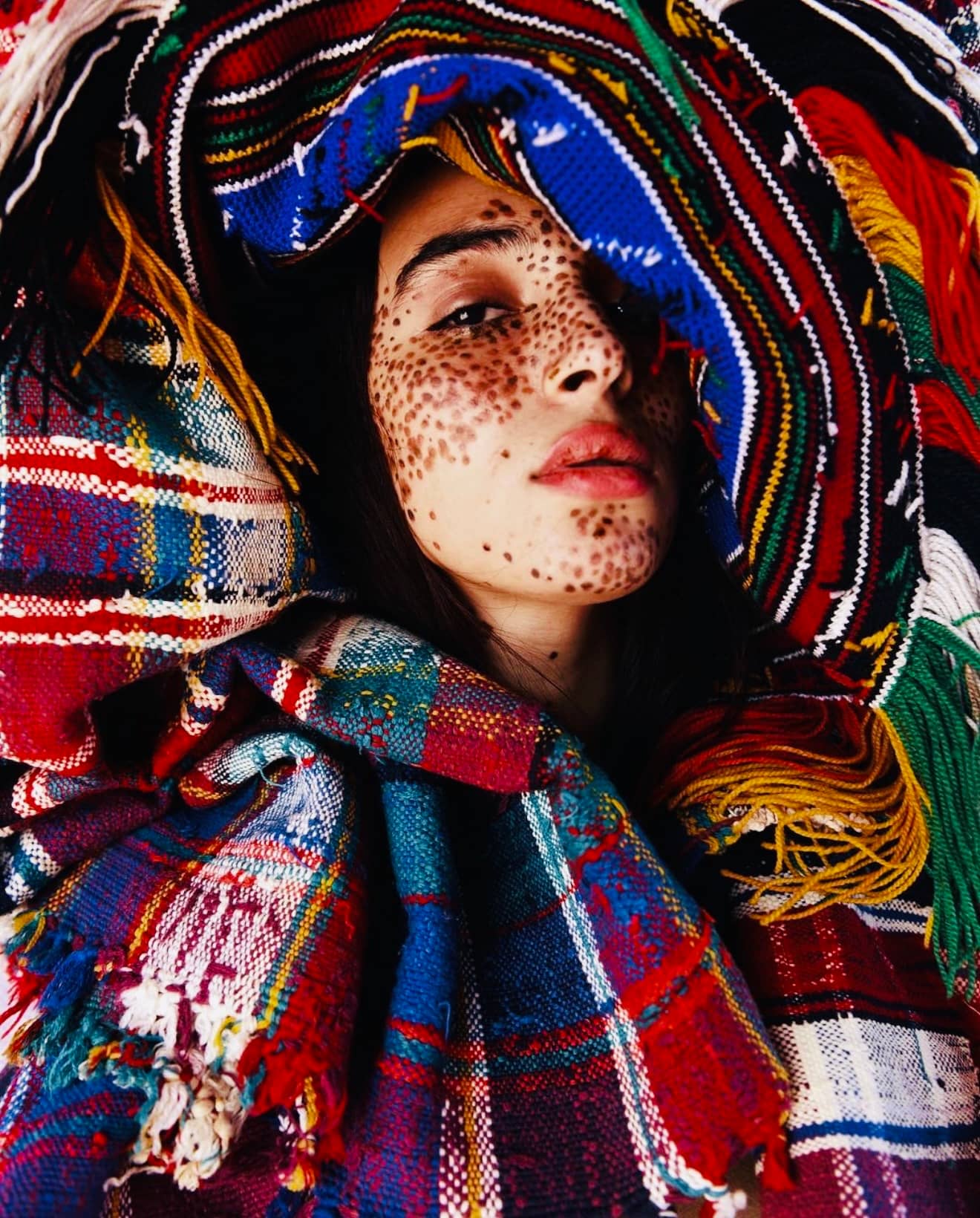
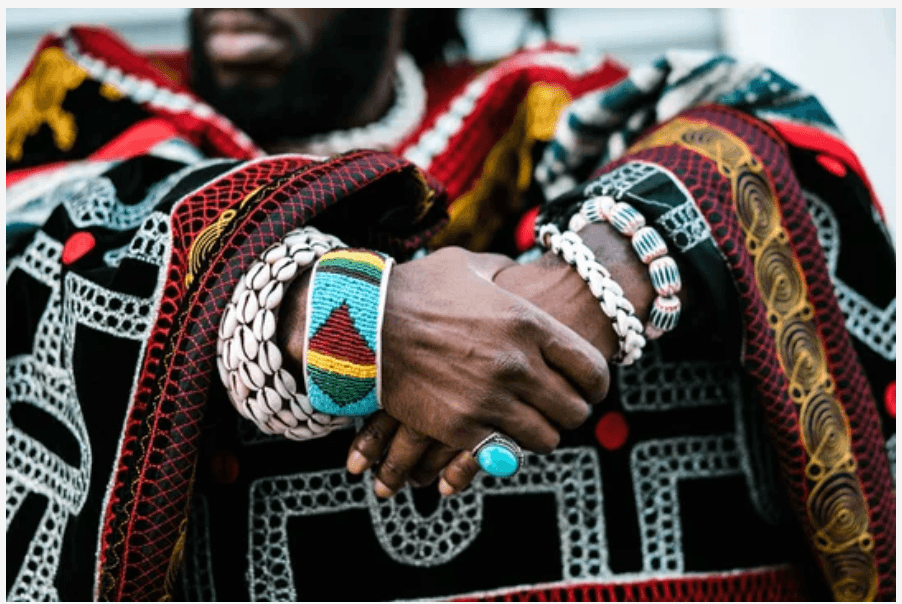
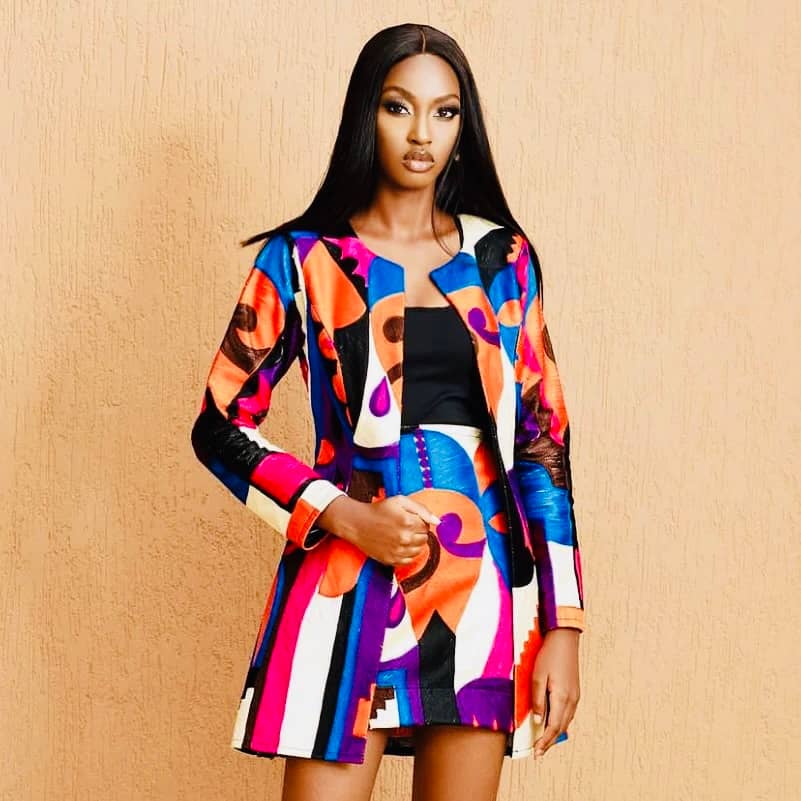
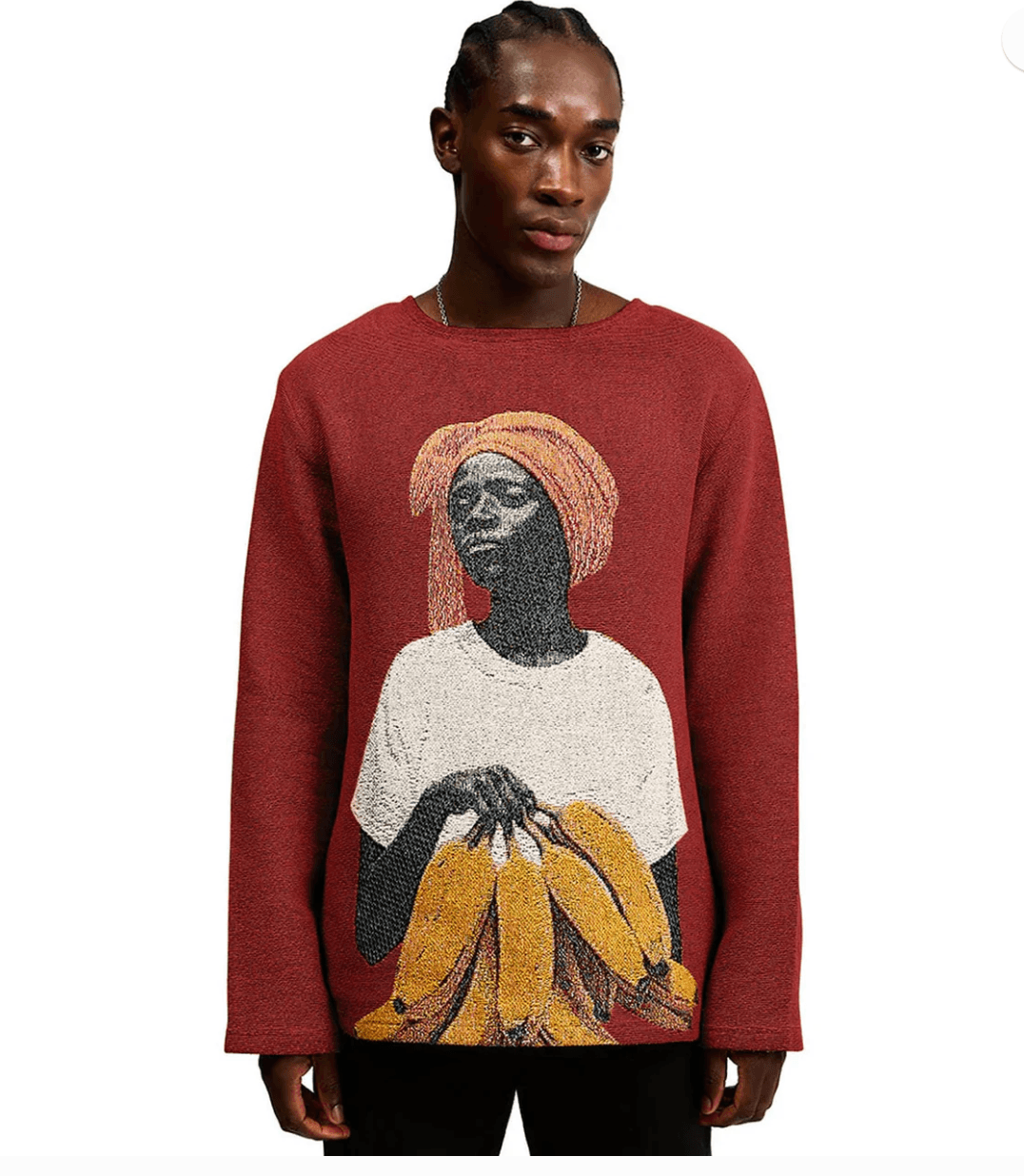
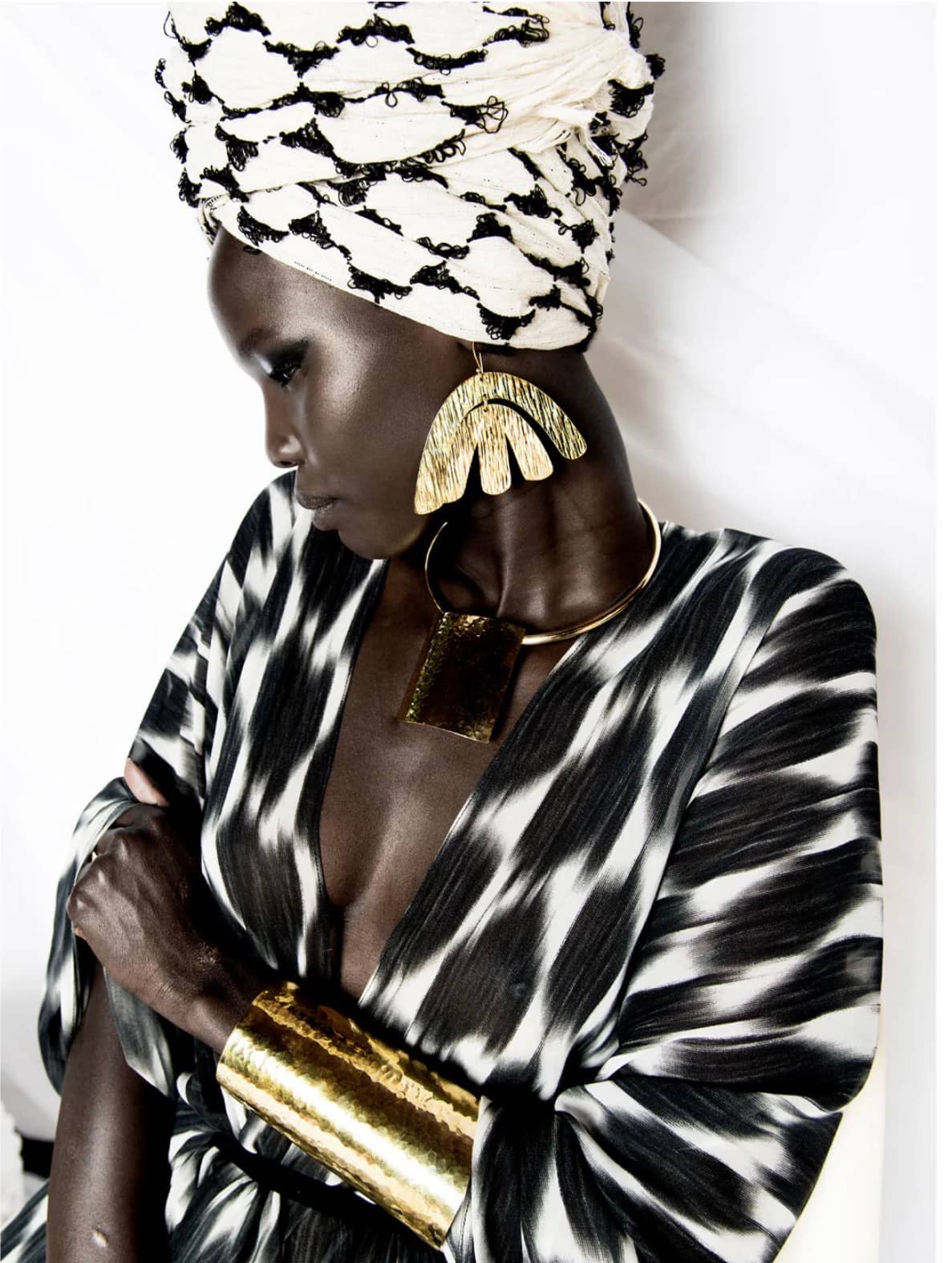
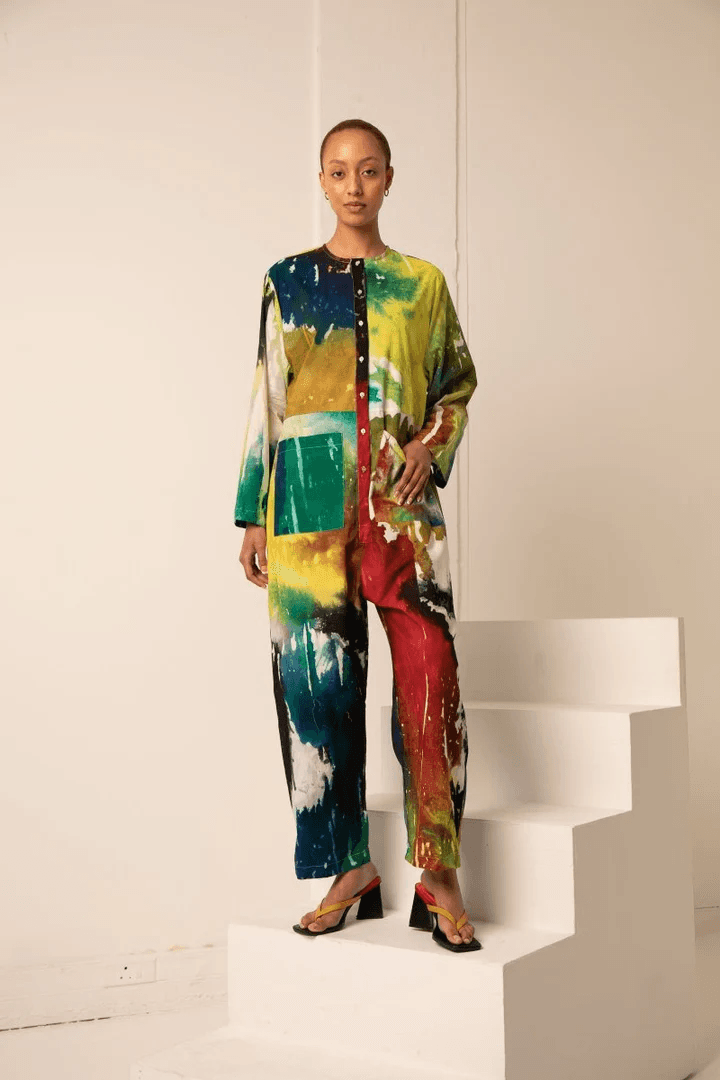
There's a moment when mixing prints clicks—when two patterns that shouldn't work suddenly do, and you realize the rules were never as rigid as you thought. Prints have a long history of carrying meaning across cultures and countries, telling stories of identity, community, and belonging through pattern and color. In many African traditions, printed textiles have served as visual language, communicating everything from social standing to personal milestones. Understanding that history can deepen your appreciation, but wearing prints today is about trusting your eye and having fun with the process.
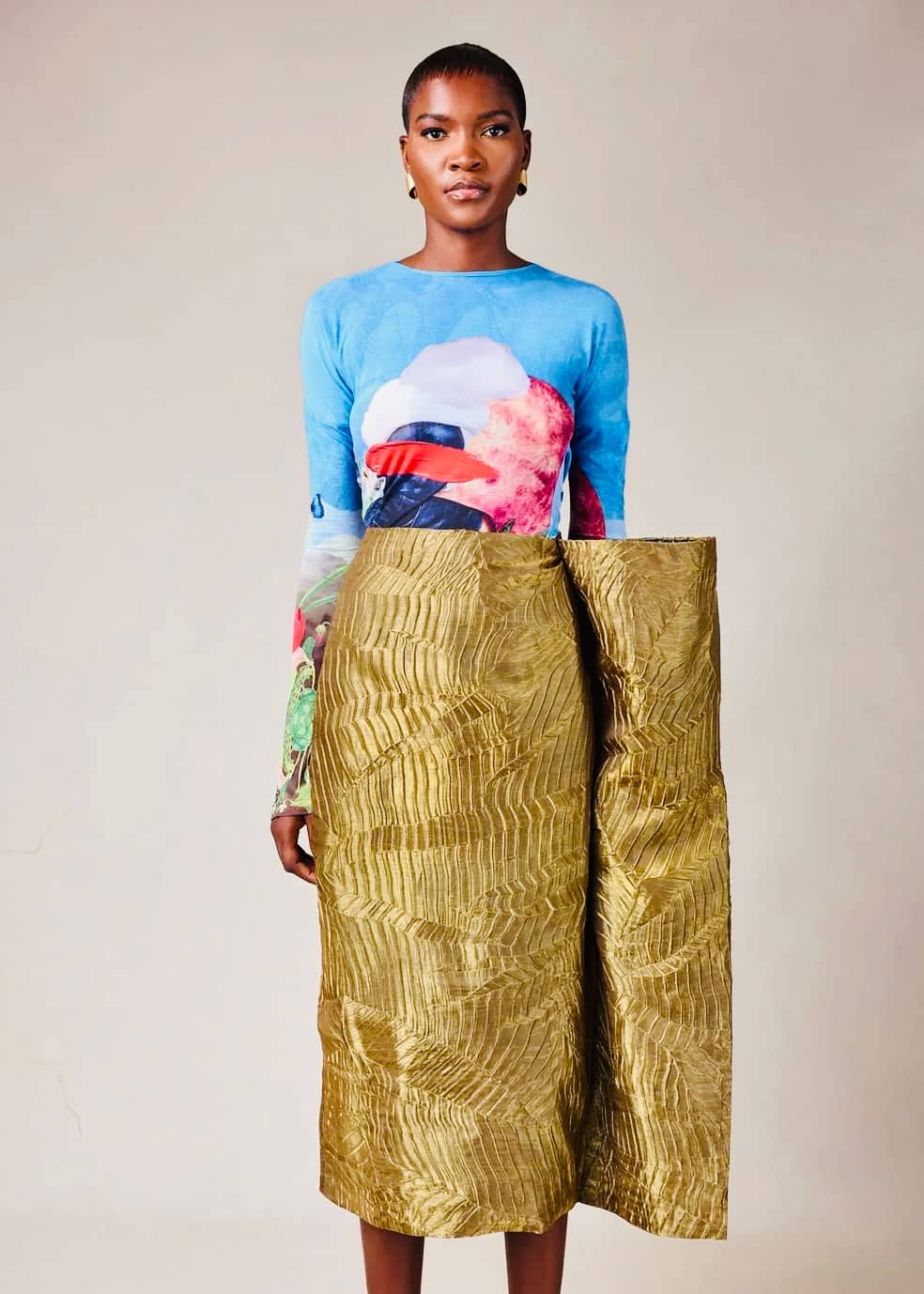
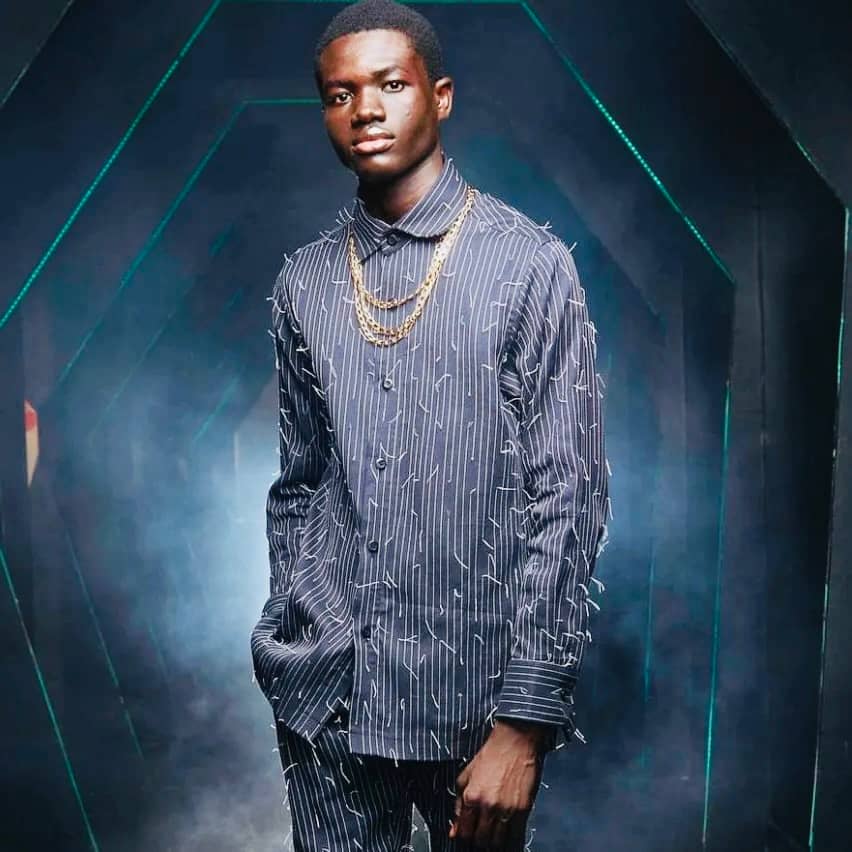
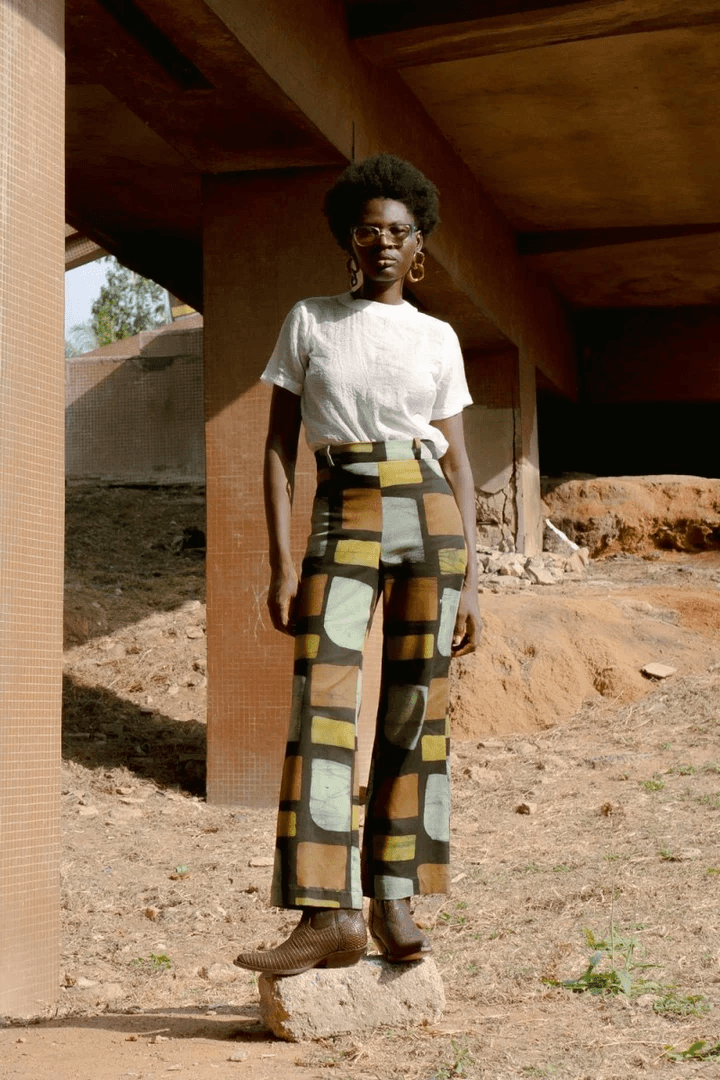
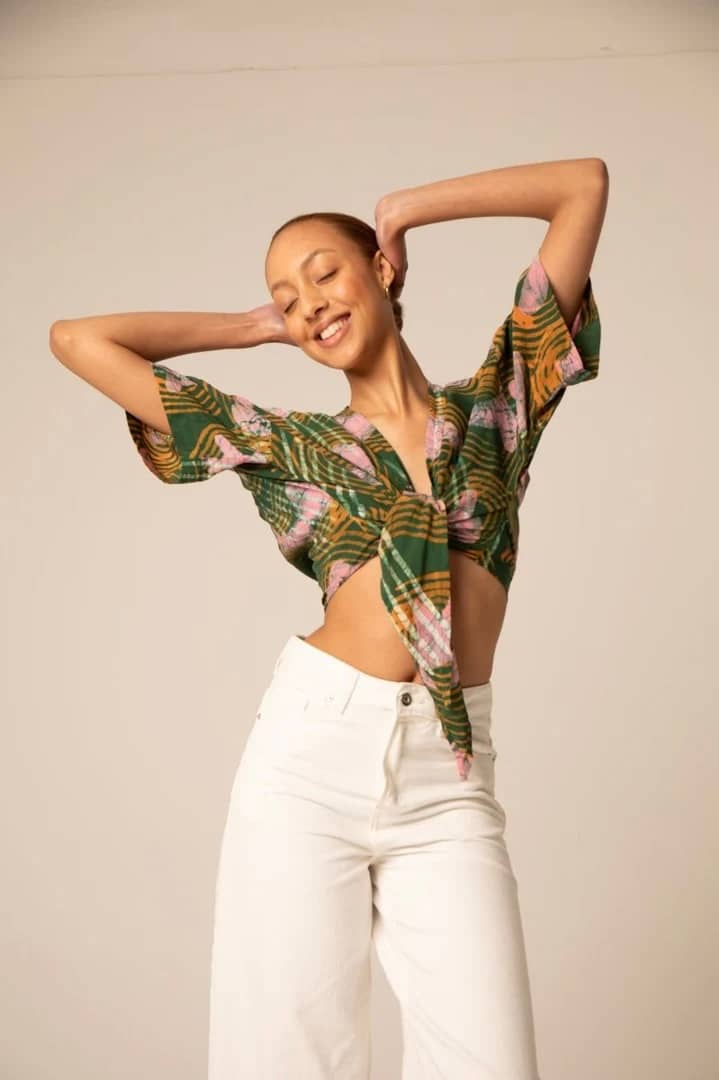
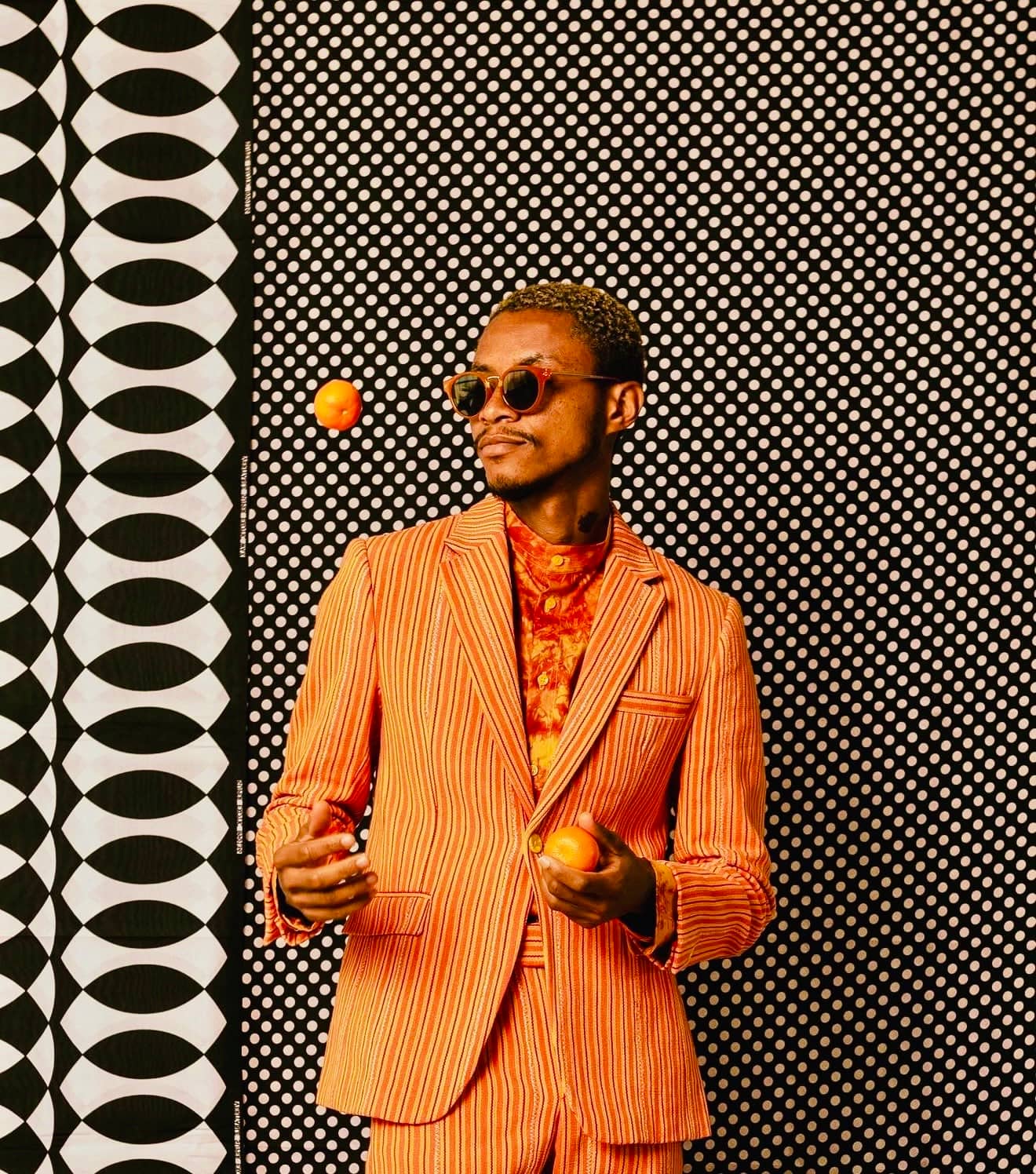
The easiest entry point is scale. When you pair a large, bold print with a smaller, tighter pattern, each has room to breathe without competing for attention. A wide geometric on a trouser can sit beautifully beneath a finer stripe or a micro-floral on a blouse—the contrast creates conversation rather than chaos. If scale feels tricky at first, start with two prints that share at least one color, and let that thread tie the look together.
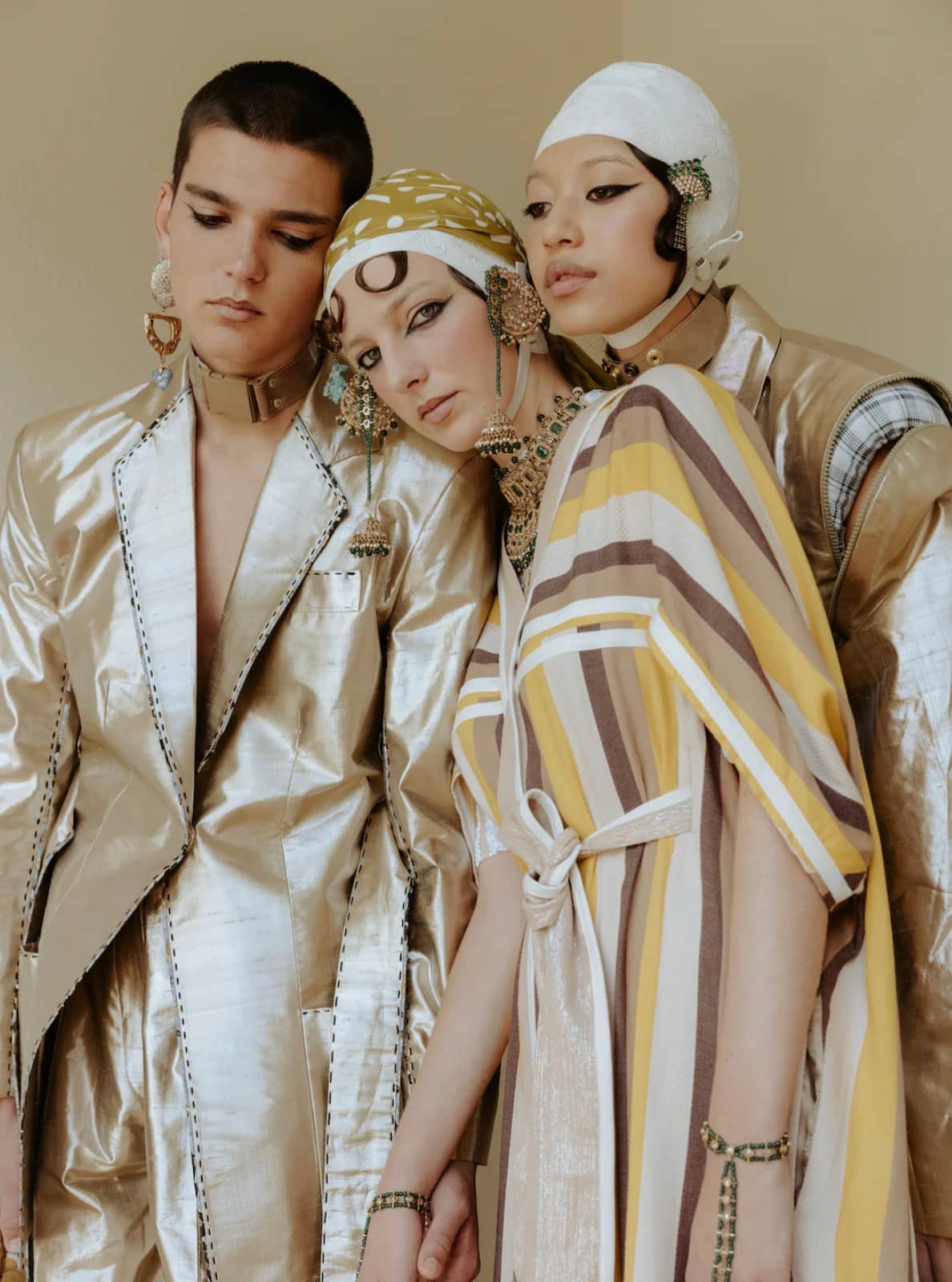
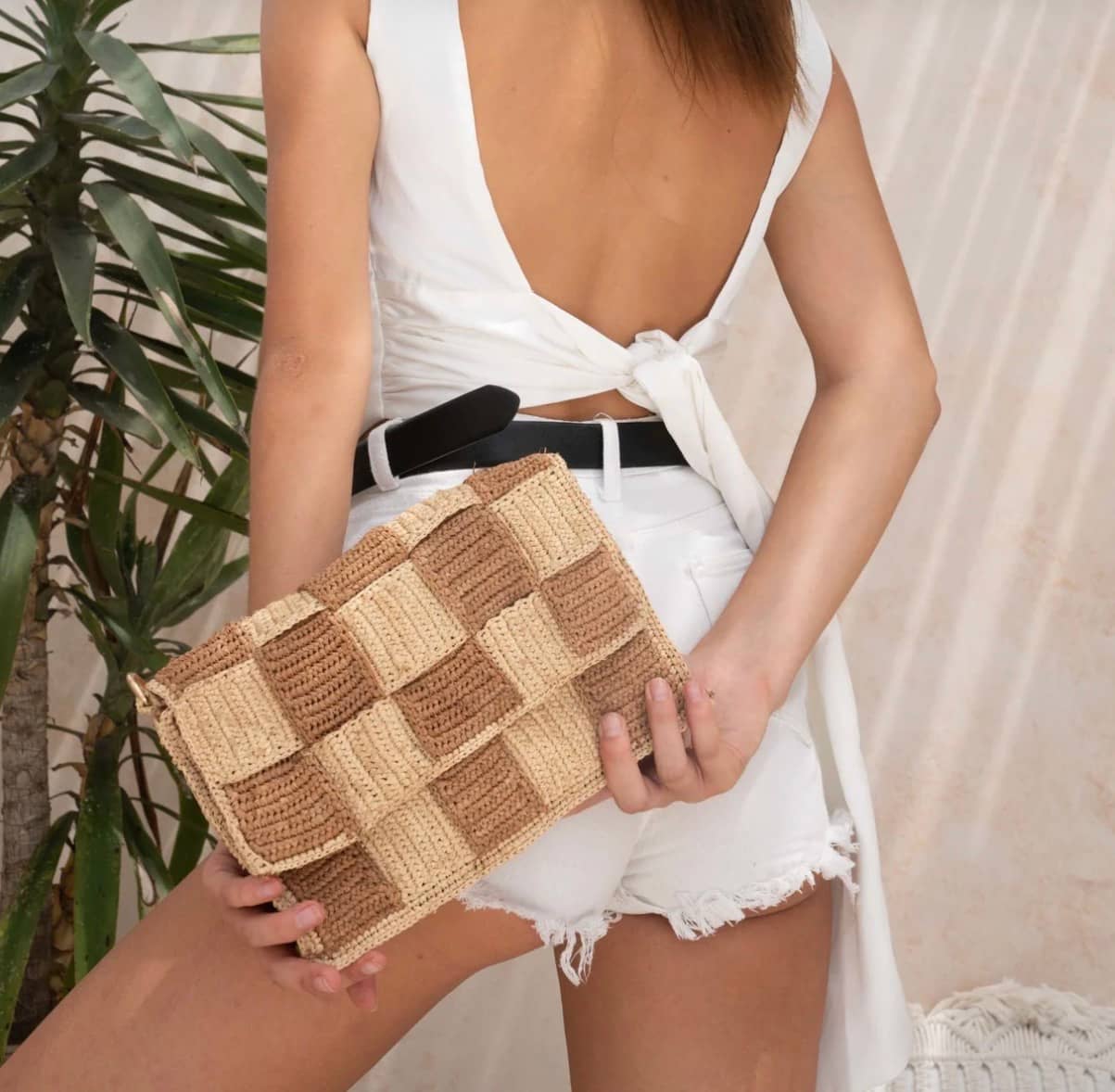
Color is your anchor when patterns feel overwhelming. Find a single shade that appears in both pieces, even subtly, and build from there. This shared note creates cohesion even when the prints themselves are wildly different in mood or origin. You might also try grounding a busy print with a solid in the same color family, then layering a second print through an accessory like a scarf or a bag.
Balance matters more than matching. If your top is loud, let your bottom be quieter—or vice versa. The goal is rhythm, not uniformity. Some of the strongest looks come from an unexpected pairing that feels slightly off until you realize it's exactly right. Trust that tension.
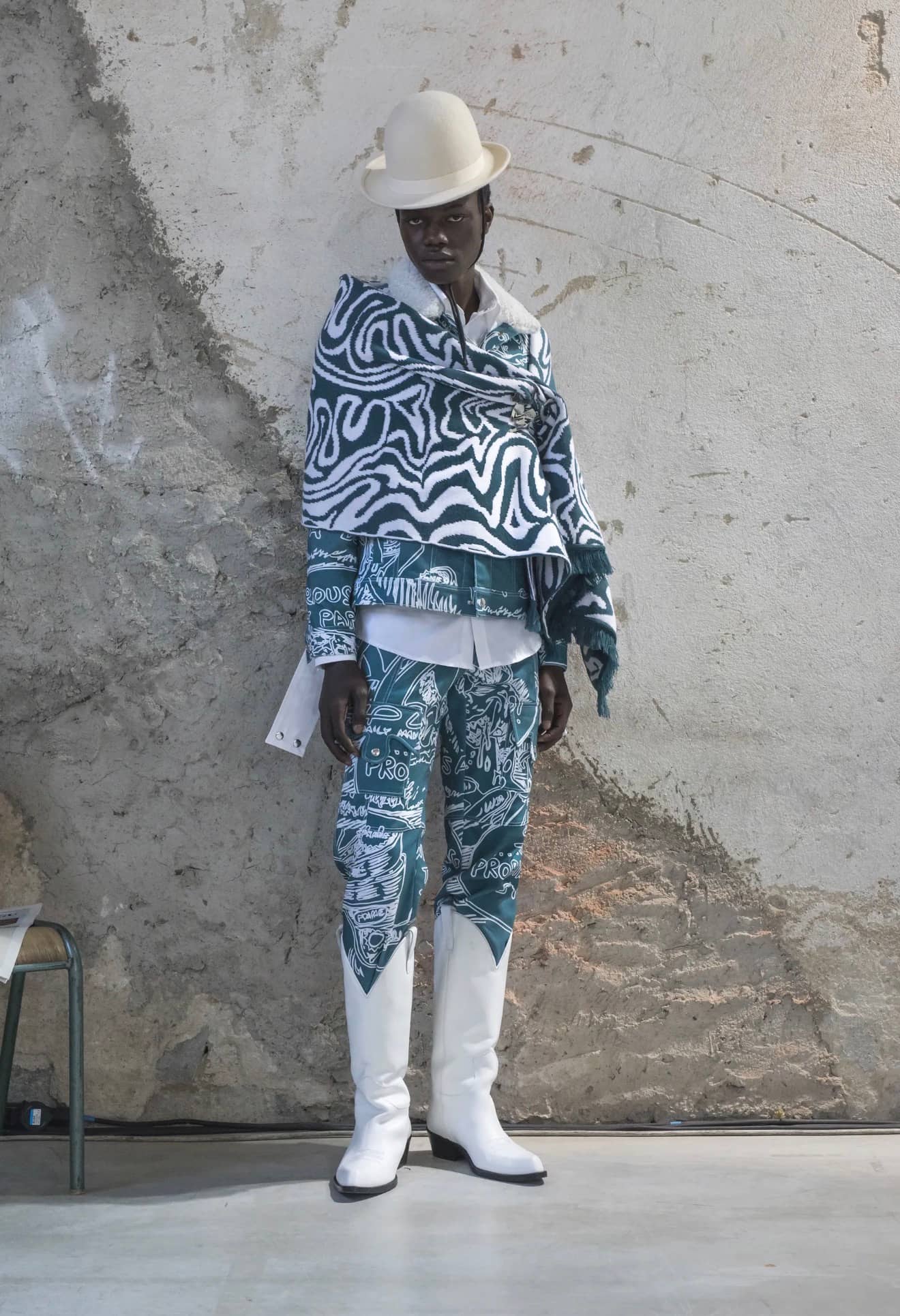
Experimentation is the only way to build confidence here. Lay pieces out before you commit, try combinations that seem improbable, and pay attention to what excites you. Mixing prints is less about following a formula and more about developing a sense for what feels like you. The more you play, the more intuitive it becomes—and the more your eye learns to see possibility where it once saw risk.
Remember that print mixing is a practice, not a destination. Each combination teaches you something new about how patterns interact, how colors communicate, and how balance feels when you achieve it. Start where you are, trust your instincts, and let the process guide you. The most confident looks often come from those who aren't afraid to try something that might not work—because sometimes, that's exactly what does.
Thank you for reading.