Accessories As
Architecture
Start by anchoring the look with one dominant piece, then build outward—echoing its color, texture, or weight through smaller accents.
An outfit can be perfectly chosen and still feel unresolved—until the details take their place.
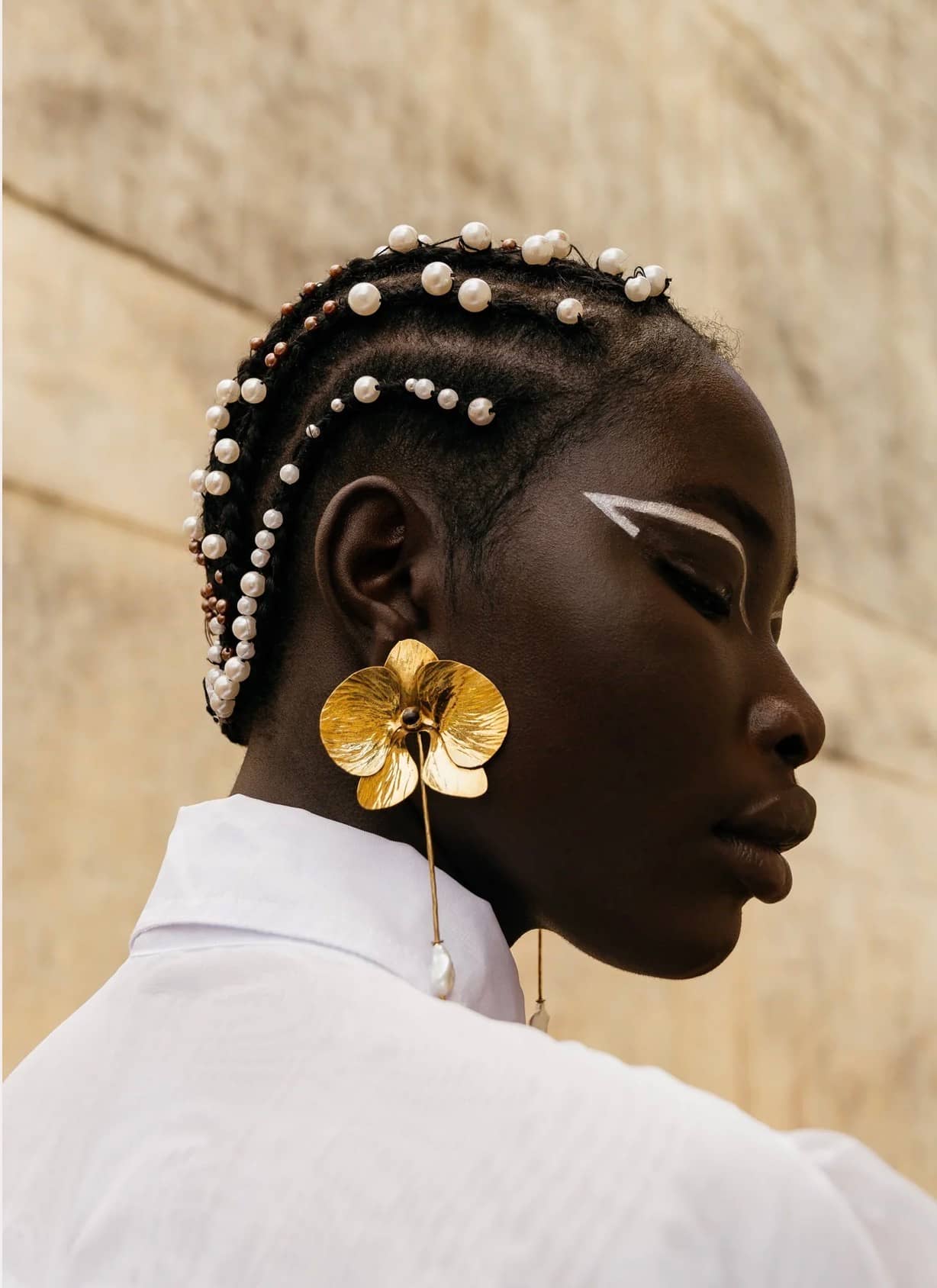
Adornment has always played a central role in African dress, not as an afterthought but as a declaration—of identity, status, celebration, or spirit. Jewelry, headpieces, shells, beads, metals, and wraps were worn with confidence and intention, often layered generously and without apology. That sensibility still holds: accessories are where expression lives most freely.
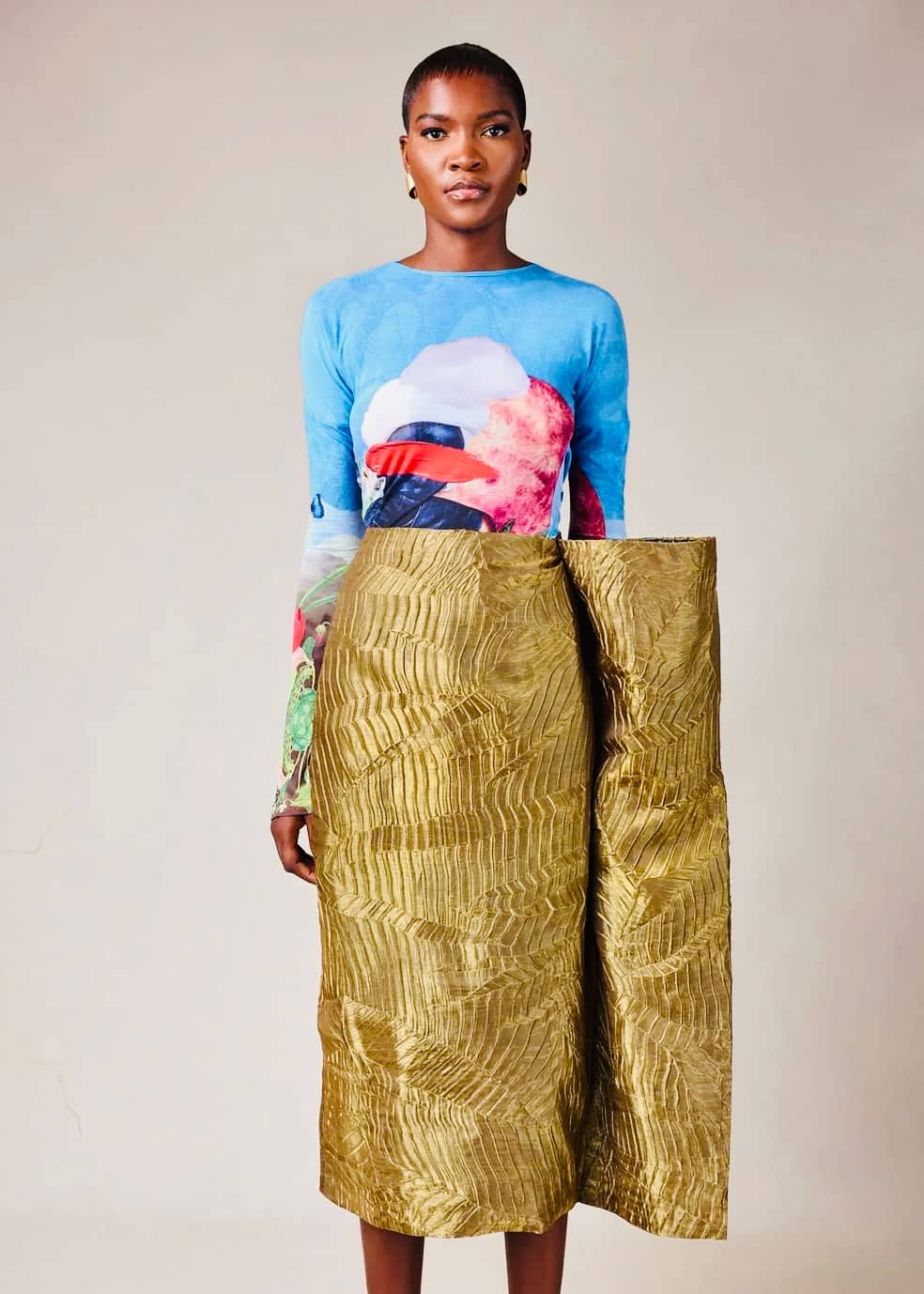
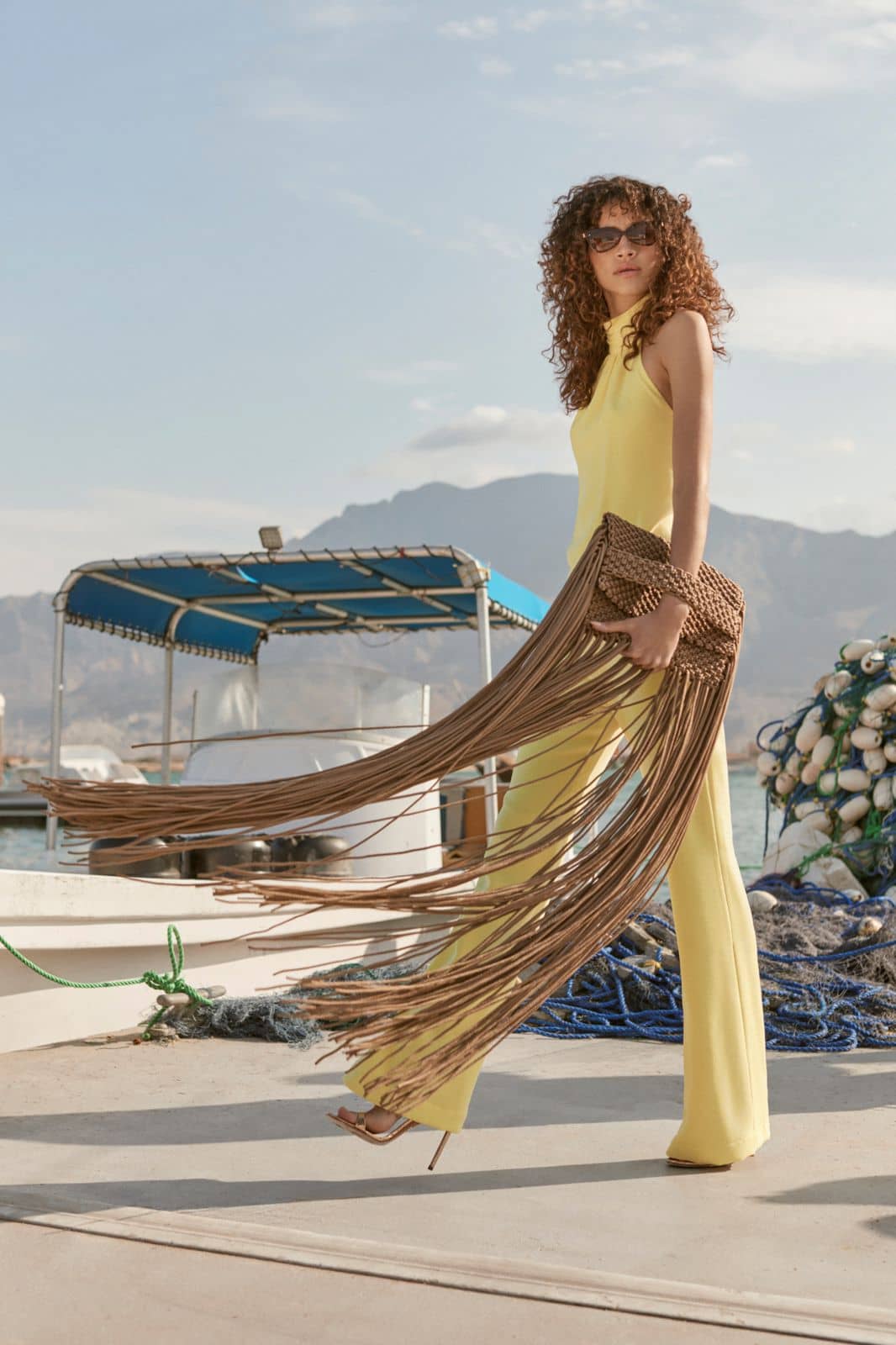
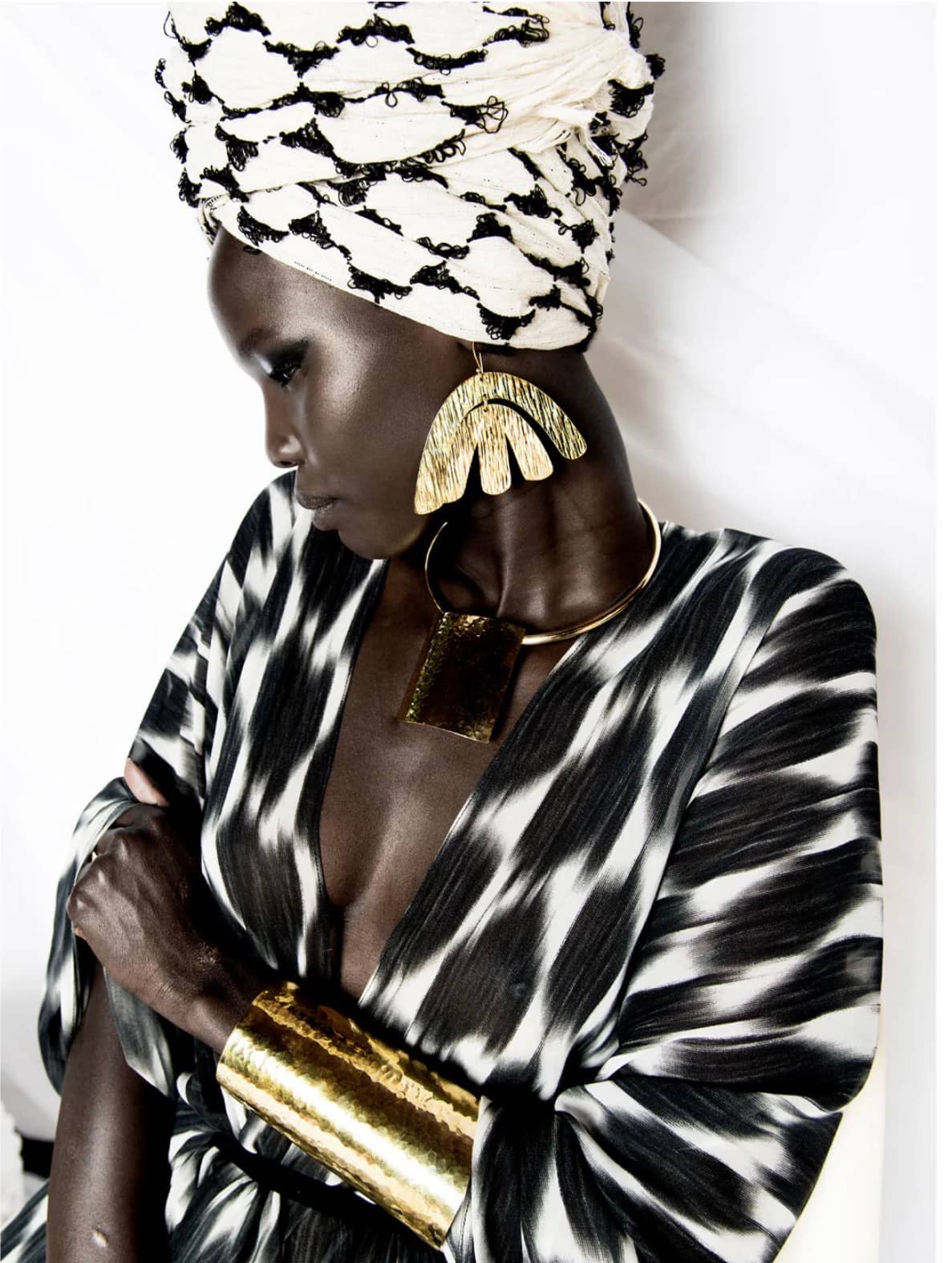
From a styling perspective, accessories are best approached as structure rather than decoration. Start by anchoring the look with one dominant piece, then build outward—echoing its color, texture, or weight through smaller accents. This creates cohesion even when elements feel bold or unexpected.
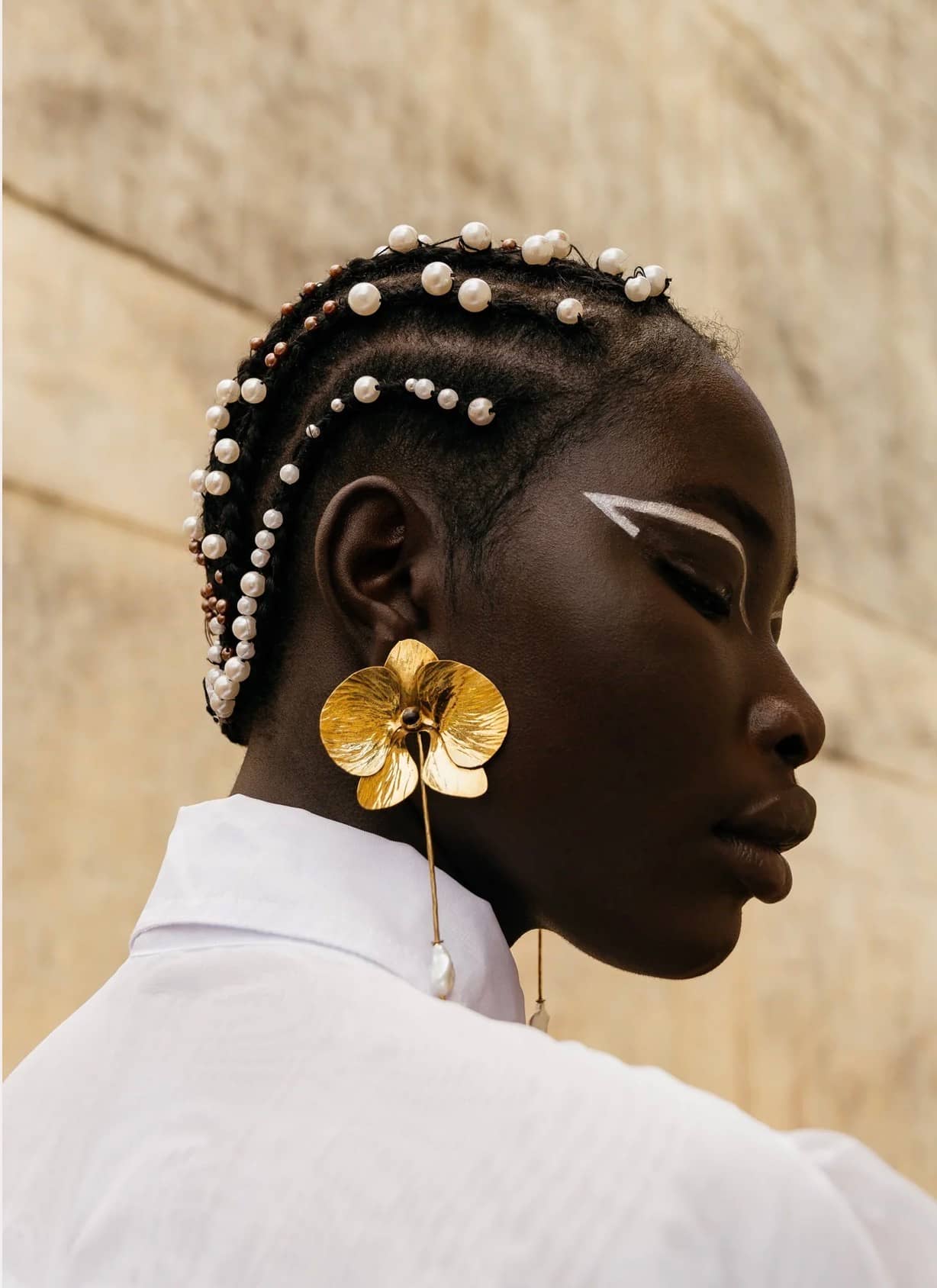
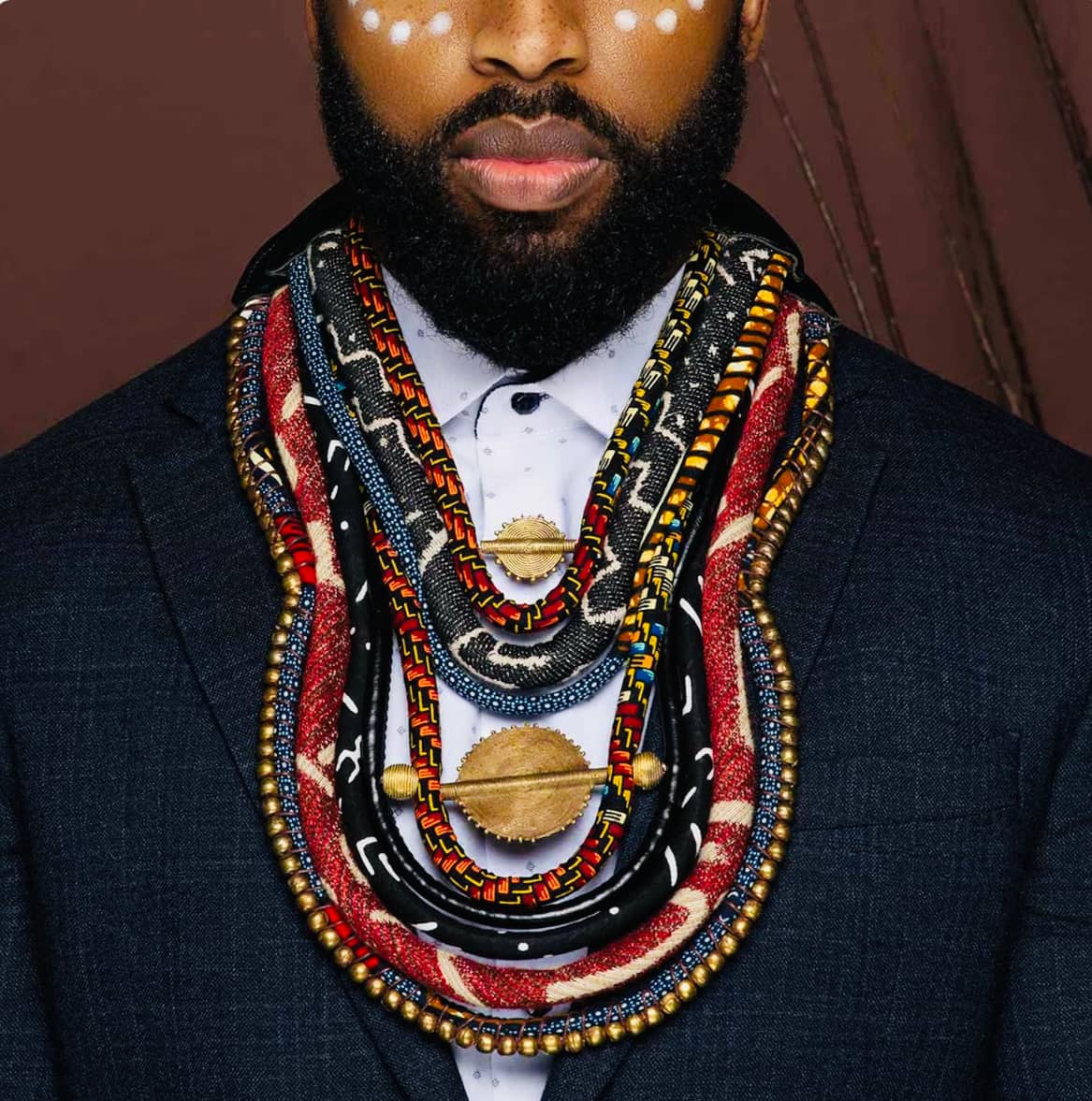
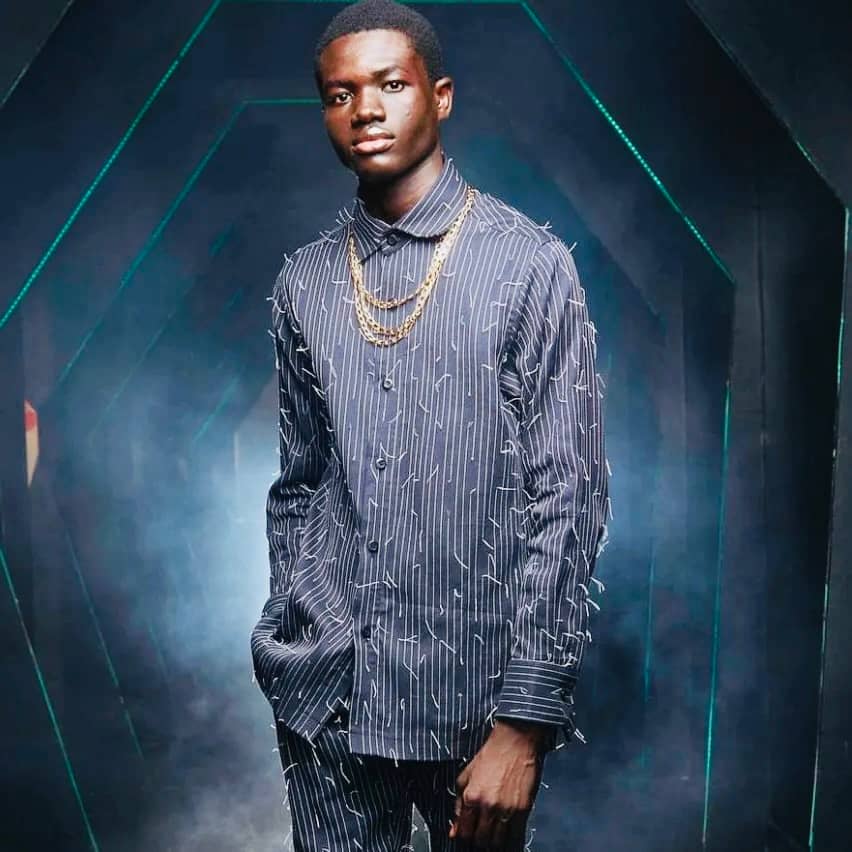
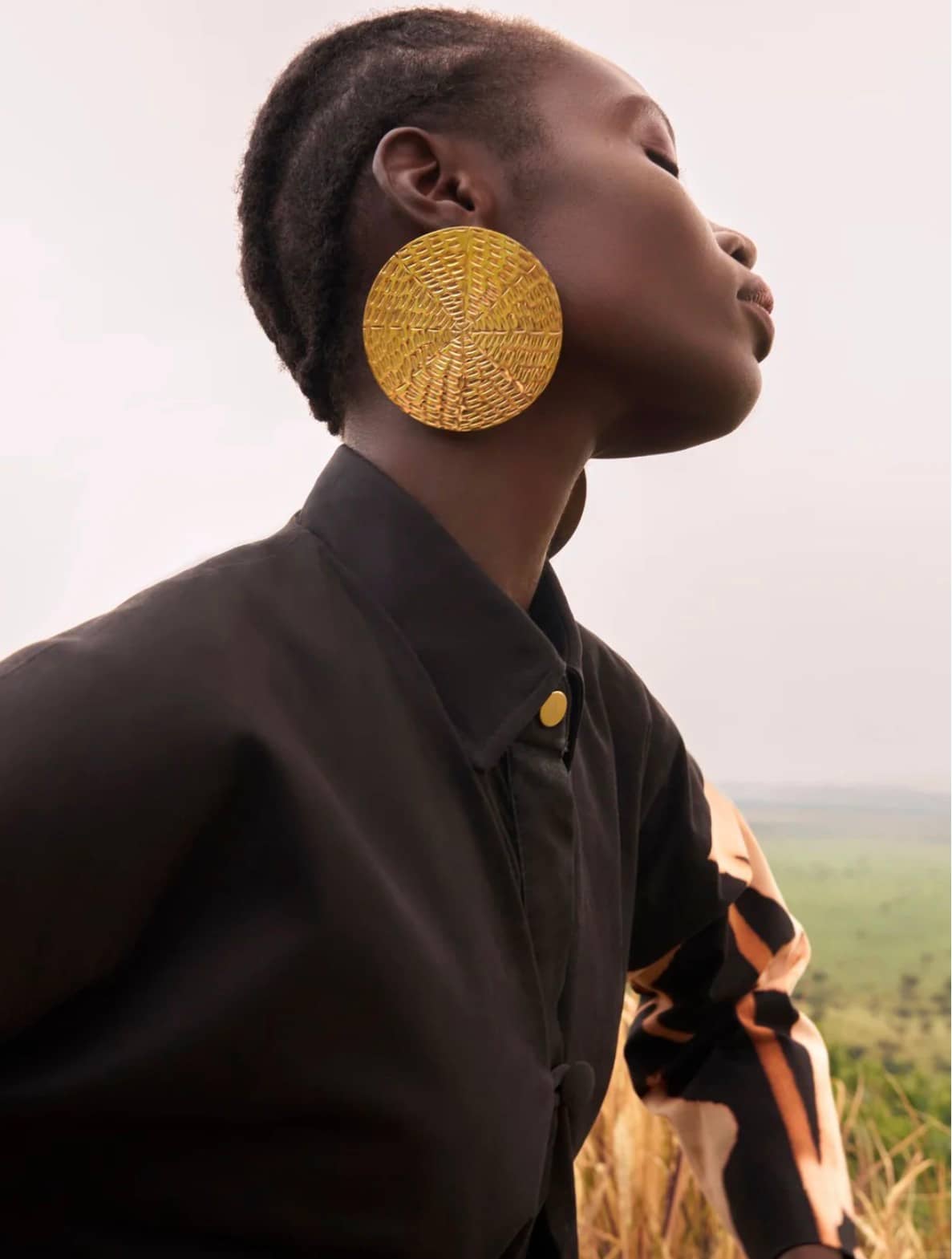
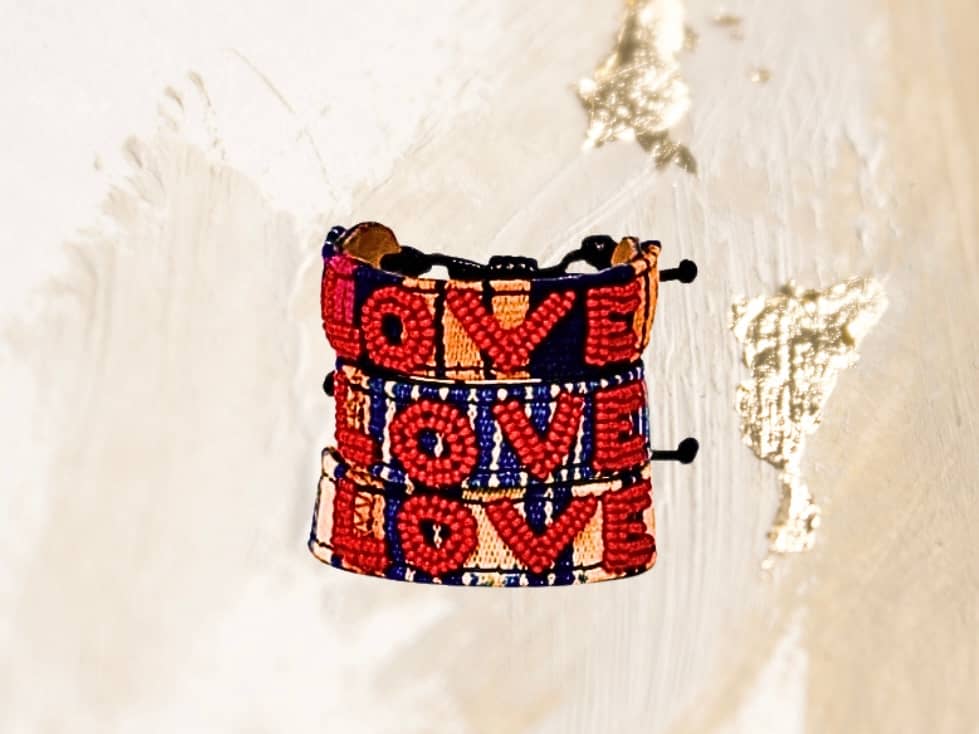
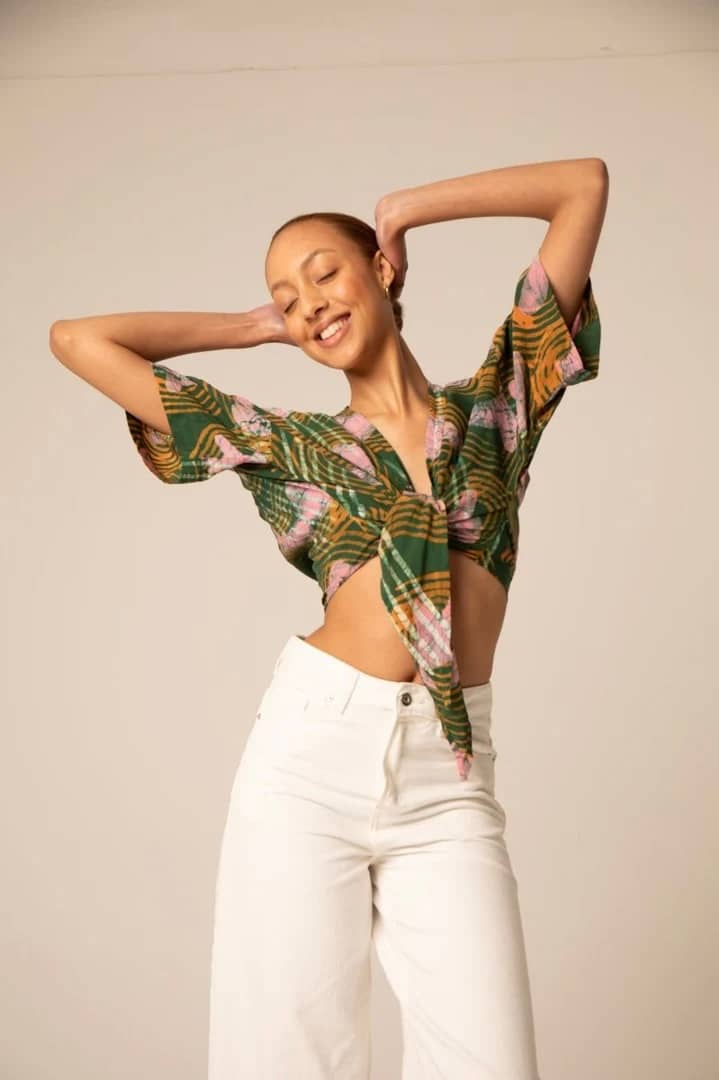
Jewelry often sets the tone first. Earrings frame the face, necklaces establish line, and cuffs, bangles, and rings bring weight and movement to the hands. Mixing metals—gold with silver, brass with oxidized finishes—adds depth and dimension, especially against clean silhouettes or understated clothing.
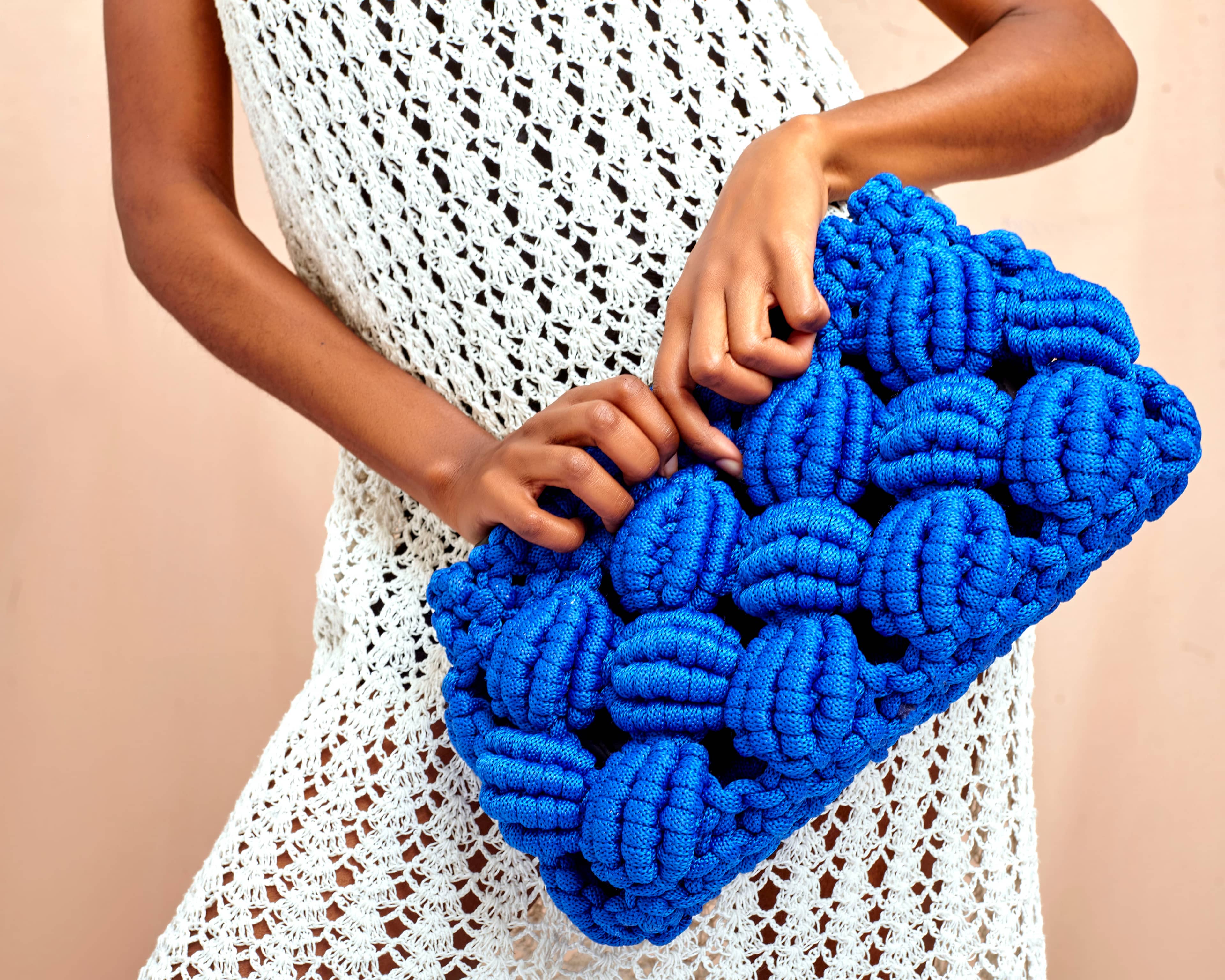
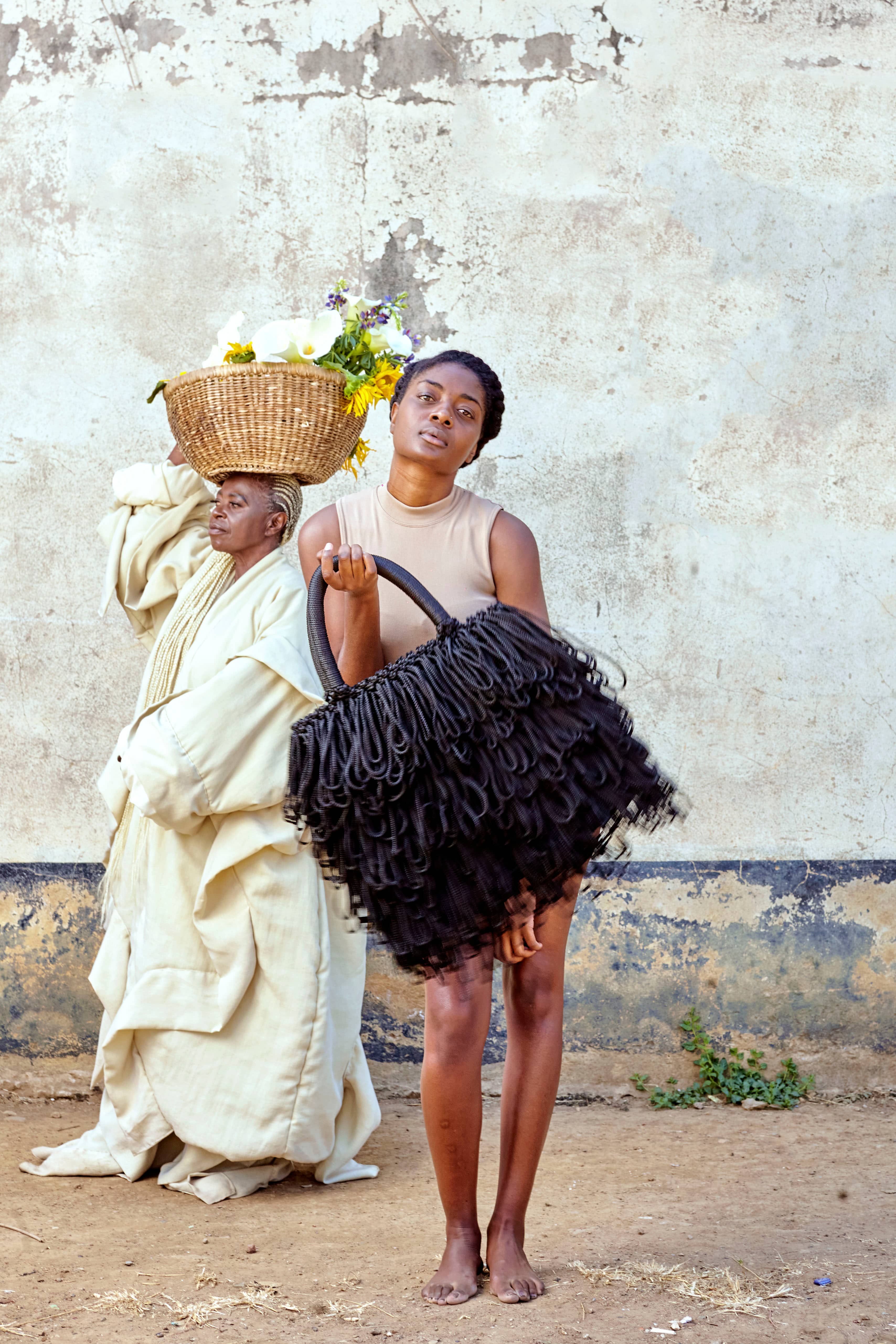
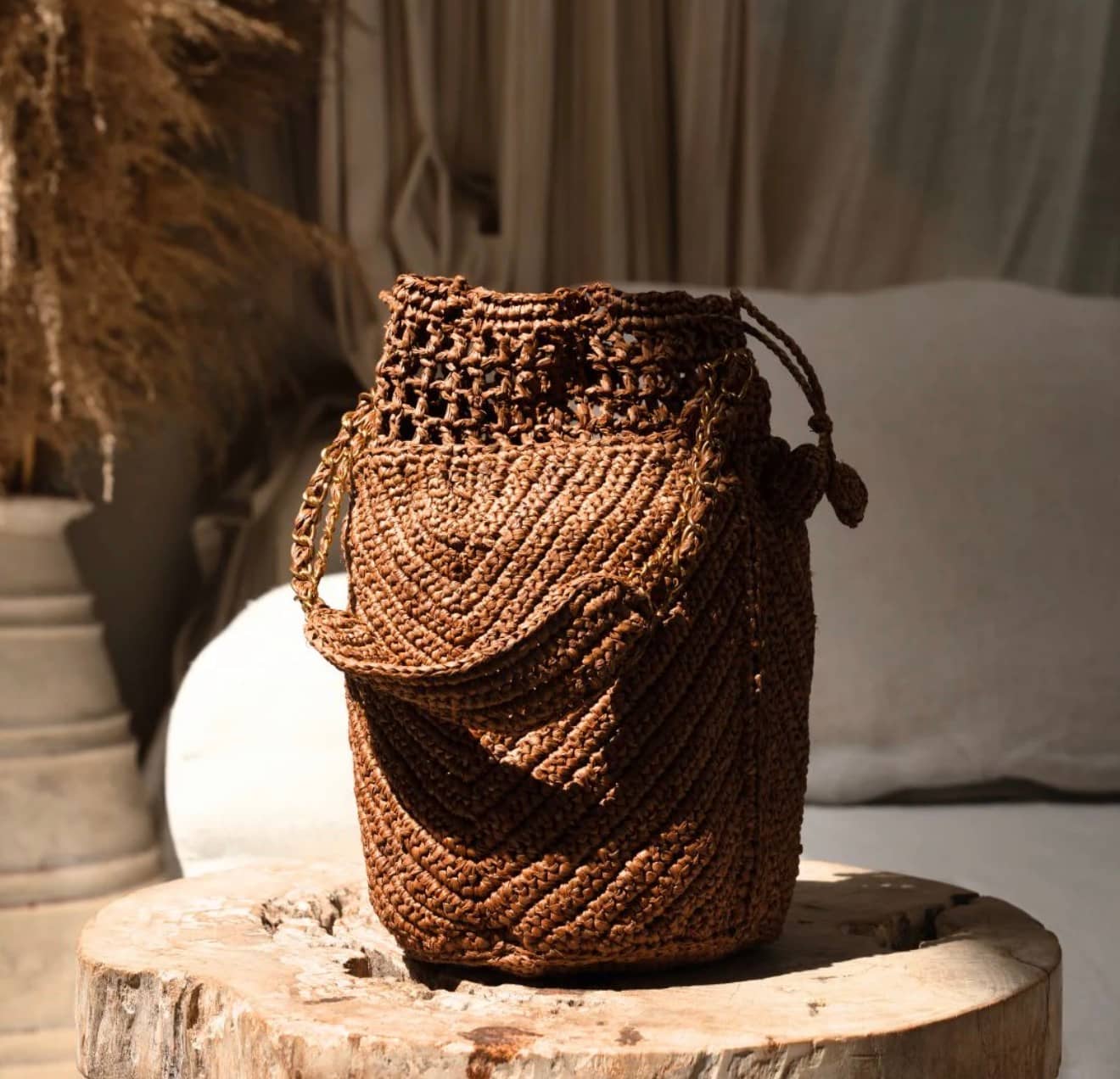
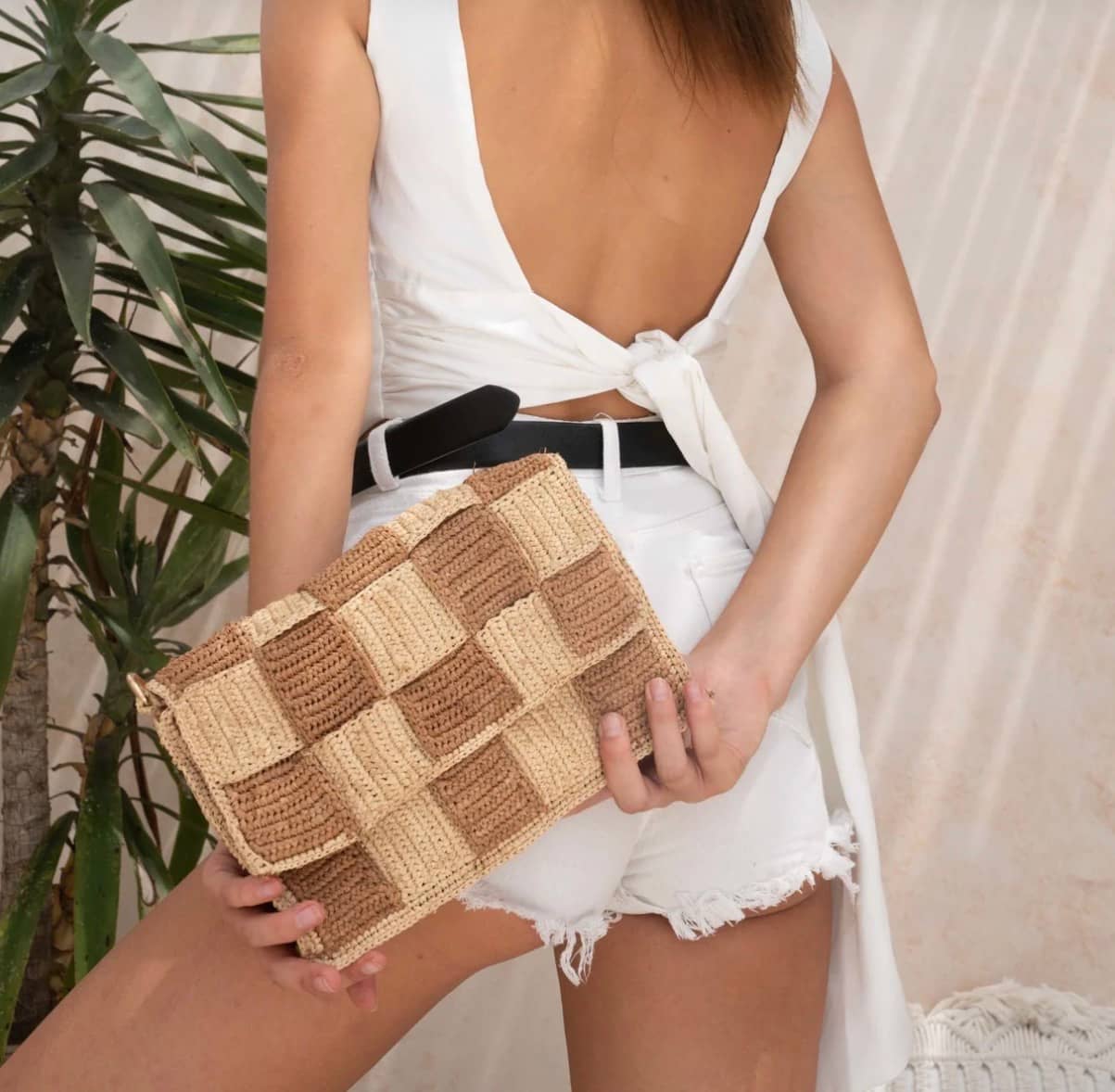
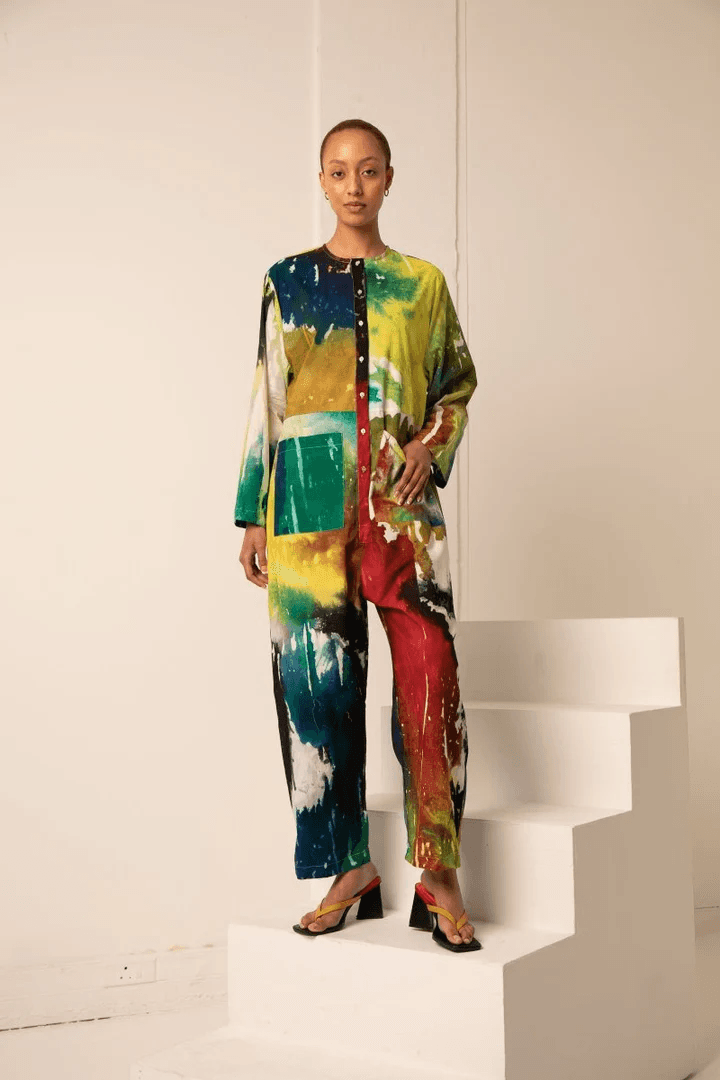
Bags and shoes shape how the outfit meets the world. Sneakers can ground a look in ease and confidence, while a sculptural heel, textured flat, or statement boot can shift its posture entirely. Bags—whether clutches, cross-body styles, oversized totes, or hand-worked pieces—add function and form, often signaling how formal, relaxed, or expressive a look intends to be.
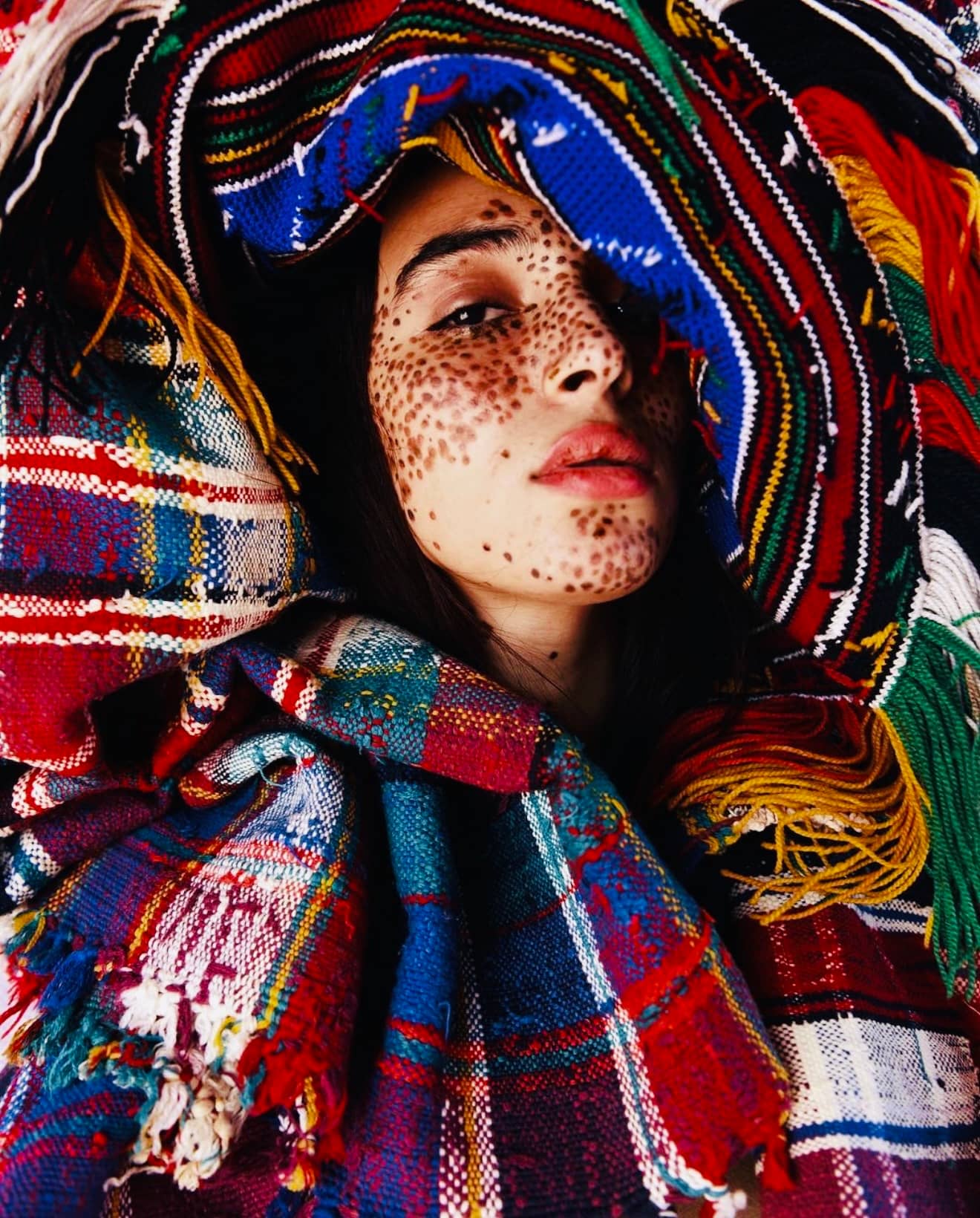
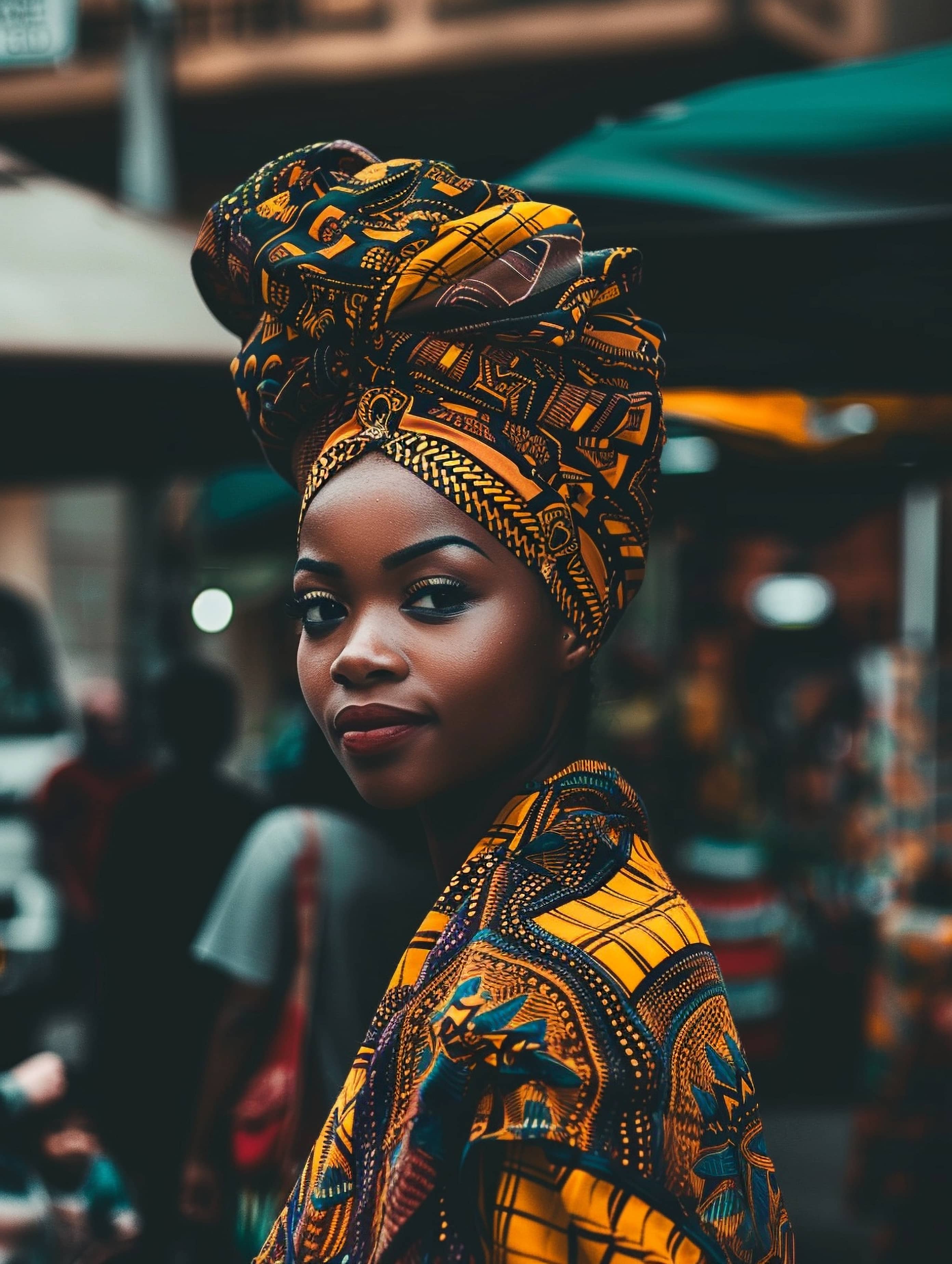
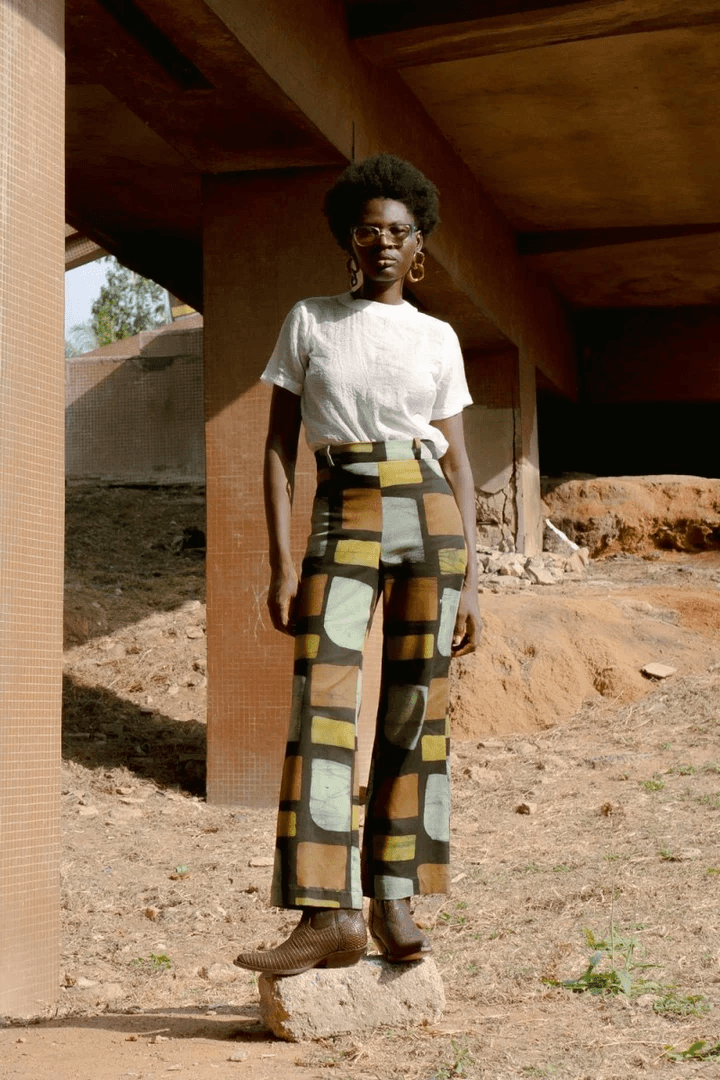
Headwear and scarves deserve equal consideration. Wrapped or knotted scarves, headwraps, brimmed fedoras, and detailed caps carry history and ceremony while offering an immediate way to introduce color, texture, and attitude. Paired with eyewear, these elements add presence and dimension to a look—often doing the most work with the least effort. A strong frame can ground layered accessories or sharpen something understated, quietly pulling everything into focus.
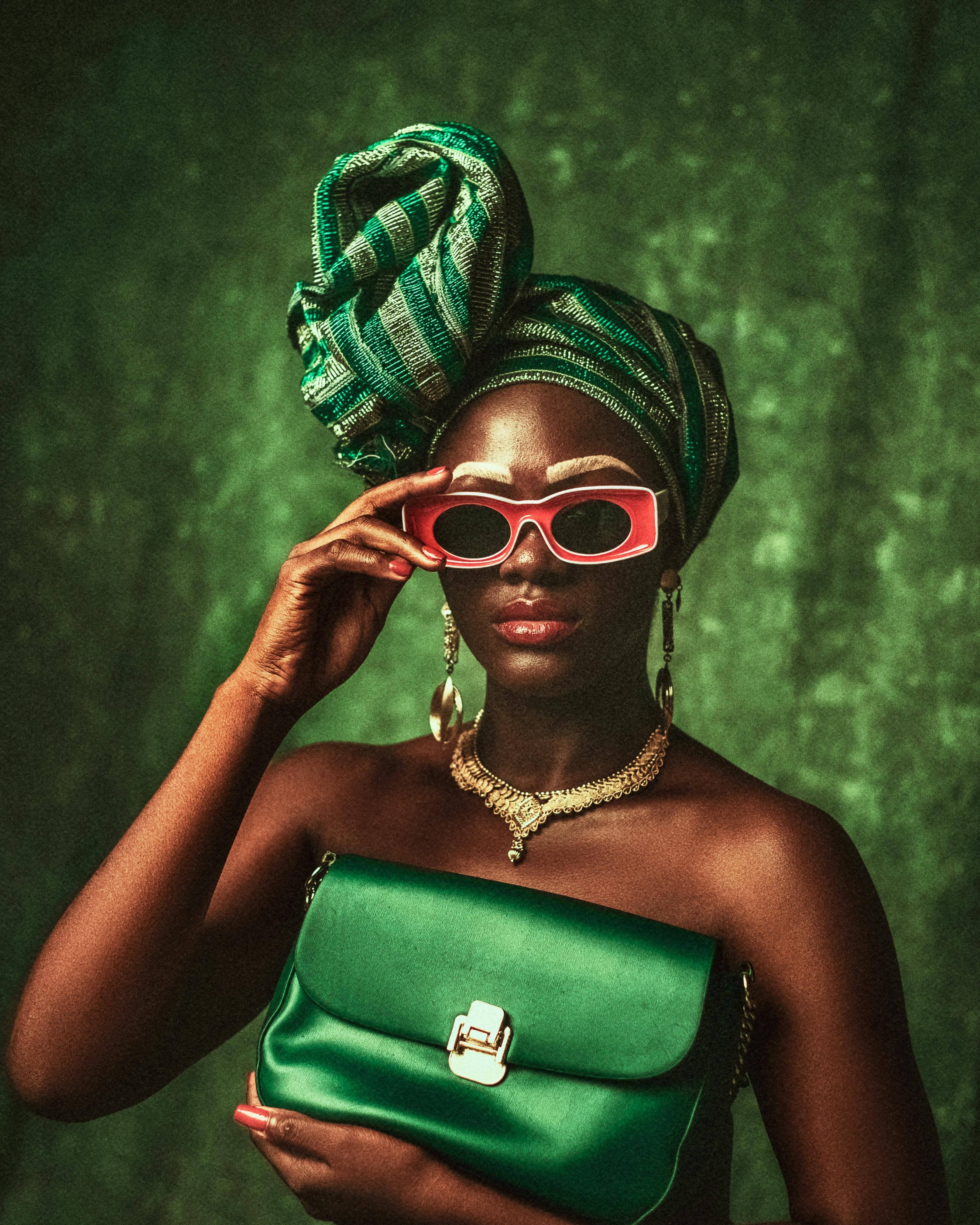
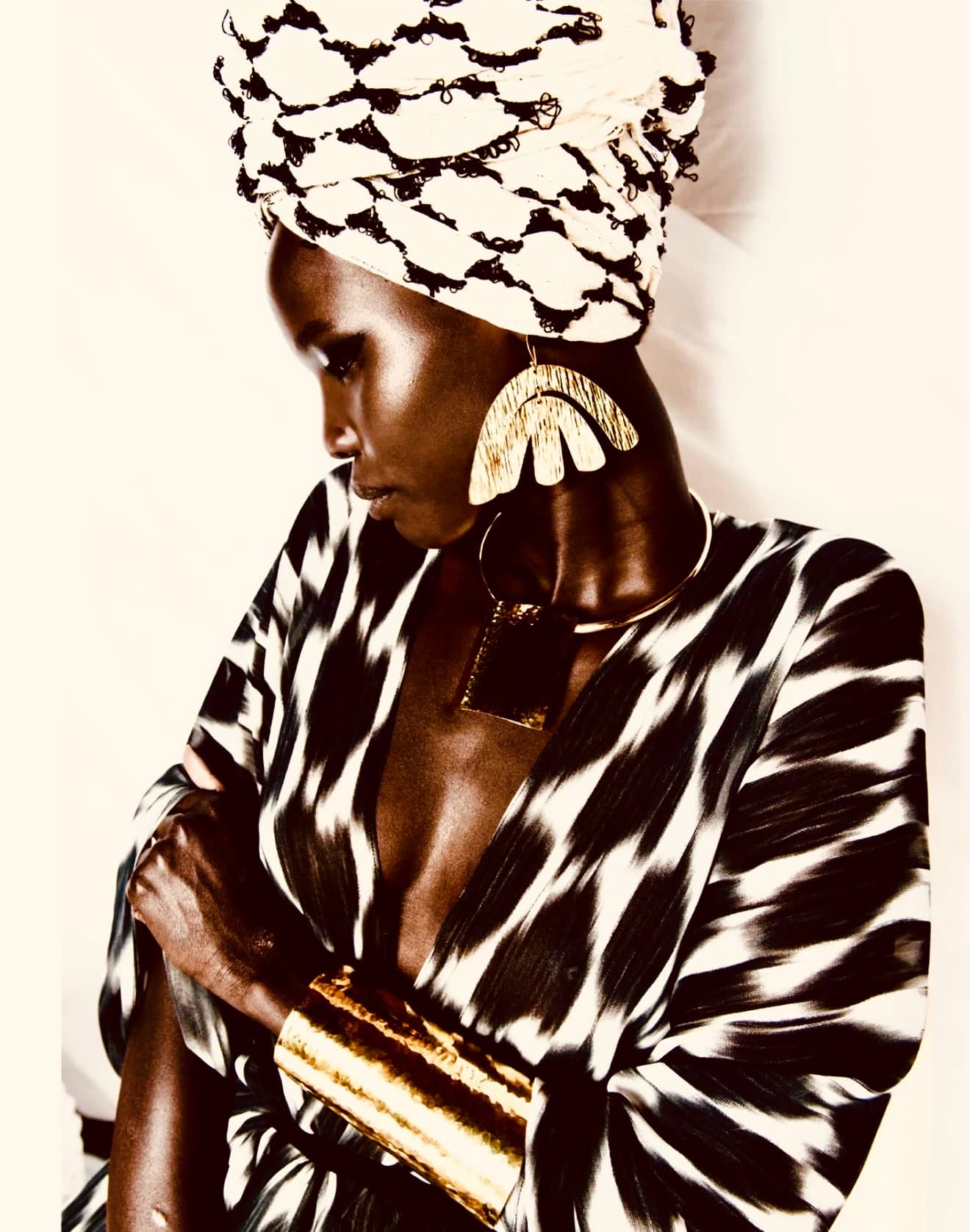
The joy is in layering with confidence. Multiple bold elements can coexist when they share balance—through color, material, or proportion. Choose one element to lead and let the others support it, adjusting scale and placement until the look feels intentional rather than crowded.
When layering feels overwhelming, edit by subtraction—remove one piece at a time until clarity reveals itself. Often, the strongest looks arrive not through addition, but through focus.
Pay attention to how accessories interact with the body as you move. Weight, sound, and motion all matter, especially when pieces carry presence.
Above all, accessories should feel lived with, not placed. When the details align, the look stops feeling styled and starts feeling embodied—confident, expressive, and unmistakably your own.
Thank you for reading.